
What Is the Best Blush for Beginners?
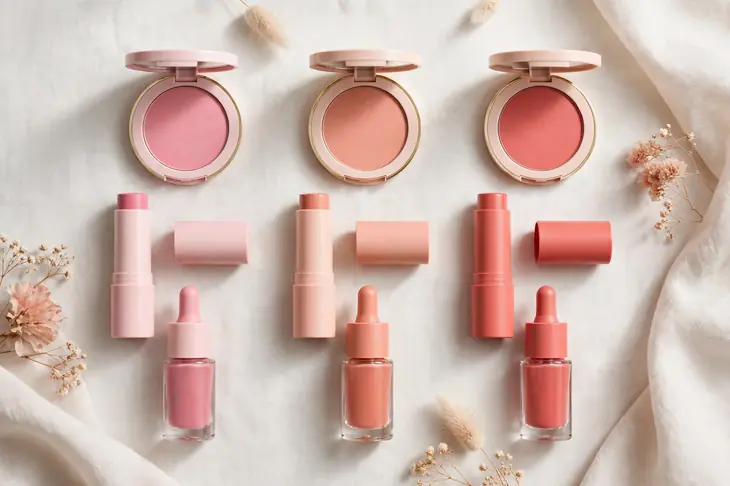
The best blush for beginners is a cream blush stick. It blends with your fingers, it’s almost impossible to overdo, and it gives a natural, skin-like finish without any brushes or special technique.
Blush is the quickest way to make your whole face look healthier. The right shade and formula can fake a full night’s sleep, add warmth in the middle of winter, and pull your entire makeup look together in under a minute.
This guide breaks down everything you need to know: cream vs. powder vs. liquid blush, how to pick the perfect shade for your skin tone, which formula suits your skin type, and pro application tips that make your blush last all day.
Cream Blush vs Powder Blush
The formula you choose affects the finish, the wear time, and how easy the blush is to apply. Here’s how the two most popular formulas compare:
| Feature | Cream Blush | Powder Blush |
|---|---|---|
| Finish | Dewy, natural, skin-like | Matte to soft satin |
| Best for | Dry, normal, and mature skin | Oily and combination skin |
| Application | Fingers, sponge, or stippling brush | Fluffy blush brush |
| Beginner-friendly | Yes — very forgiving and easy to blend | Needs a light hand and good brush control |
| Wear time | About 6–8 hours | About 8–10 hours, longer with setting spray |
| Layering order | Over foundation, before powder | Over foundation, or over cream blush for extra wear |
Liquid blush sits somewhere between the two: it delivers the most intense pigment and the longest wear (up to 10 hours), but a little goes a long way — blend quickly before it sets.
How to Choose Blush for Your Skin Tone
The easiest trick in the book: gently pinch your cheek and look at the color that appears. That’s your natural flush — and the most flattering blush shades for you will sit in the same color family.
Fair Skin
Fair skin looks best in soft pink, light peach, and sheer baby pink. These shades mimic a natural flush without overwhelming pale skin. Avoid overly bright or dark shades, which can look harsh — if you love a bold color, apply it sheer and build up slowly.
Medium Skin
Medium skin tones glow in rose, mauve, warm apricot, and terracotta. You have the most flexibility here: both the pink and peach families work beautifully. For evenings, a deeper berry adds gorgeous warmth.
Dark Skin
Dark skin needs richly pigmented blush so the color actually shows up — deep berry, brick red, bright coral, and vivid fuchsia all look stunning. Highly pigmented formulas are key, since sheer shades can disappear entirely. Steer clear of pale, chalky pastels, which can look ashy.
Which Formula Is Best for Your Skin Type
Your skin type matters just as much as your skin tone. The wrong formula can fade by lunchtime or emphasize texture you’d rather not highlight.
Oily Skin
Powder blush is the best pick for oily skin. It absorbs excess oil, keeps cheeks looking matte, and stays put far longer than cream formulas in heat and humidity. Apply it over set foundation and finish with setting spray for maximum wear.
Dry Skin
Cream or liquid blush suits dry skin best. These formulas add a dewy glow and glide over dry patches instead of clinging to flakes the way powder can. Look for hydrating ingredients like hyaluronic acid or squalane.
Mature Skin
Cream blush is the most flattering choice for mature skin. It doesn’t settle into fine lines or emphasize texture the way powder sometimes does, and the dewy finish makes skin look plumper and more youthful.
How to Apply Blush Like a Pro
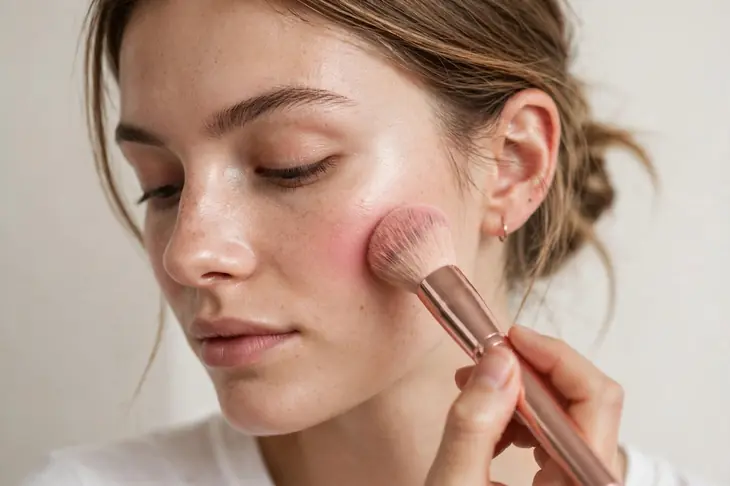
Great blush is all about placement and blending. Follow these steps for a natural flush every time:
- Start with the right tool. Use clean fingers or a damp sponge for cream and liquid blush, and a fluffy, angled brush for powder blush.
- Smile and find the apples. Smile lightly — the rounded part of your cheek that pops up is where the color goes first.
- Apply on the apples, blend upward. Place blush on the apples of your cheeks, then blend up and back toward your temples. Keep the color above the line of your nostrils.
- Build in thin layers. Start with less than you think you need. You can always add more, but removing excess is much harder.
- Melt it in. Press cream blush in with your fingertips or bounce a damp sponge over the edges so there’s no harsh line where the blush stops.
- Balance the rest of your face. A whisper of the same blush across the bridge of the nose and on the temples makes the flush look real instead of painted on.
How to Make Blush Last All Day
Fading blush is usually a layering problem, not a product problem. These tricks dramatically extend wear:
- Layer cream under powder. Apply cream blush first, then dust a matching powder blush on top. The powder locks in the cream, and the color easily lasts 10+ hours.
- Prime oily skin. A mattifying primer on the cheeks gives blush something to grip, especially in summer heat.
- Finish with setting spray. A light mist melts powder into skin and seals everything in place.
- Blot, don’t rub. When touching up, press blotting paper onto your cheeks instead of rubbing, which lifts color right off.
- Try liquid for maximum wear. On its own, liquid blush lasts the longest — up to 10 hours — because the pigment lightly stains the skin as it sets.
Can You Wear Blush on Bare Skin
Yes — blush on bare skin can look even more natural than blush over foundation, because the color reads as a genuine flush. Cream blush is the best formula for this: it melts into skin and looks like it’s coming from within.
Two tips make it work: moisturize first so the blush glides on smoothly instead of dragging, and use a lighter hand than usual, since pigment shows up more intensely without foundation underneath.
Frequently Asked Questions
What is the best blush for beginners?
A cream blush stick is the best blush for beginners. It blends with your fingers, it is hard to overdo, and it gives a natural finish. You do not need brushes or advanced technique to make it look good.
Is cream blush or powder blush better for beginners?
Cream blush is better for beginners. It is more forgiving than powder, blends easily with fingers, and rarely looks patchy. Powder blush needs more brush control and can be tricky until you learn the right pressure.
How do I choose the right blush color for my skin tone?
Match blush to your skin depth. Fair skin suits soft pink and light peach. Medium skin looks best in rose, mauve, and terracotta. Dark skin needs richly pigmented shades like deep berry, brick red, and bright coral. Pinching your cheek to see your natural flush color is a reliable shortcut.
Can I wear blush on bare skin?
Yes. Cream blush works best on bare skin because it melts in like a natural flush. Moisturize first so it glides on smoothly, and use a lighter hand since the color shows up more without foundation underneath.
How do I make my blush last all day?
Layer a powder blush over cream blush for extra wear, use primer on oily skin, and finish with setting spray. Liquid blush lasts the longest on its own, up to 10 hours. Blot instead of rubbing when you touch up.
Which blush formula is best for oily, dry, or mature skin?
Powder blush suits oily skin because it controls shine. Cream or liquid blush suits dry skin because it adds a dewy glow without emphasizing flakes. Cream blush is best for mature skin since it does not settle into fine lines the way powder can.
Final Thoughts
The best blush is the one you’ll actually reach for every day. Start with a forgiving cream formula in a shade close to your natural flush, learn your ideal placement, and build from there. Once you find your perfect match, blush becomes the one product that makes everything else — even a completely bare face — look finished.