
How Do You Choose the Right Sunscreen for Oily Skin?
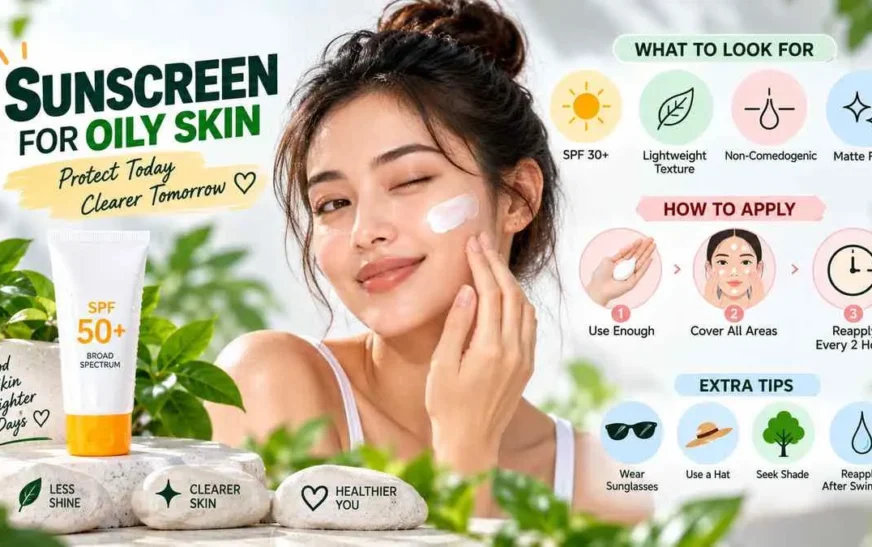
The right sunscreen for oily skin should protect the face without adding extra grease. Look for broad-spectrum SPF 30 or higher in a non-comedogenic gel, fluid, or lotion texture. A good formula should feel light, settle fast, and work well under makeup. Protection comes first. Texture, finish, and comfort matter next.
People with oily or acne-prone skin can look for words such as non-comedogenic, oil-free, gel, fluid, matte, or dry-touch. These clues can help, but sun protection comes first.
Daily Makeup Tips bases this guide on current sun-protection advice and the needs that matter most for oily skin: protection, skin feel, shine, breakouts, makeup, and easy daily use.
Best Sunscreen for Oily Skin: What to Look For
For most oily skin, look for broad-spectrum SPF 30 or higher, a non-comedogenic formula, and a light gel, fluid, or lotion texture. Choose a matte finish if extra shine bothers you. Pick a water-resistant formula if you sweat, swim, or spend a lot of time outdoors.
Why Oily Skin Still Needs Sunscreen
Oily skin makes more sebum, but natural skin oil does not block UVA rays or UVB rays.
Too much sun can cause:
- Sunburn
- Dark spots
- Uneven skin tone
- Early skin ageing
- Fine lines
- Long-term sun damage
That makes a good facial sunscreen for oily skin an important part of a morning routine.
UVA rays can also pass through window glass. UVB rays cause most sunburn and do not pass through glass as easily.
The American Academy of Dermatology recommends broad-spectrum, water-resistant sunscreen with SPF 30 or higher. It also advises people with oily or acne-prone skin to choose non-comedogenic formulas.
Comfort matters too. A sunscreen will not help much if it feels so greasy that it rarely gets used.
What Should Oily Skin People Look for on a Sunscreen Label?
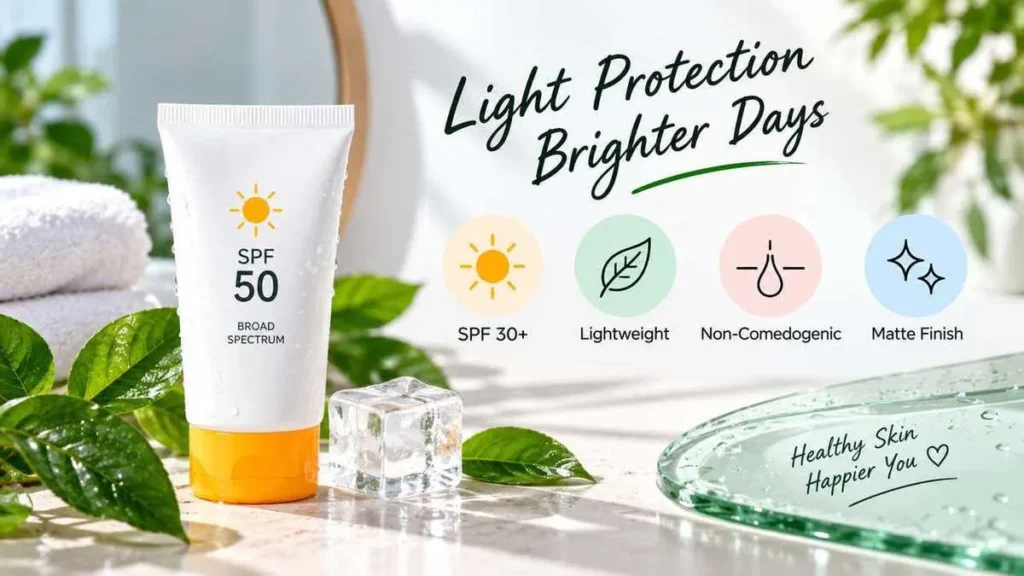
Do not choose sunscreen only because the bottle says “fresh,” “shine control,” “pore perfect,” or “ultra-light.”
Start with protection. Then check texture, finish, and comfort.
| What to check | Why it matters |
| Broad-spectrum | Helps protect against UVA and UVB rays |
| SPF 30 or higher | Gives strong daily UV protection |
| Non-comedogenic | Means the formula aims not to clog pores |
| Gel or fluid texture | Often feels lighter on oily skin |
| Matte finish | Can help with oil control and visible shine |
| Water-resistant | Helps during sweating, exercise, or swimming |
| Fragrance-free | May suit sensitive skin better |
People with very oily skin often prefer a lightweight sunscreen with a gel, thin lotion, or fluid texture.
Some matte formulas contain oil-absorbing ingredients such as silica. These ingredients can help reduce surface shine.
However, a matte finish does not give stronger sun protection. SPF and broad-spectrum protection tell you much more about UV protection.
Also, do not reject sunscreen because of one ingredient alone. The full formula, texture, amount used, and how the skin reacts matter more.
Which Sunscreen Claims Matter Most?
Sunscreen labels can contain many claims. They do not all mean the same thing.
| Label claim | How useful is it? |
| Broad-spectrum | Essential because it covers UVA and UVB protection |
| SPF 30+ | Essential for strong everyday protection |
| Non-comedogenic | Very useful for oily or breakout-prone skin |
| Water-resistant | Important for swimming, sweating, and outdoor activity |
| Oil-free | Can help with product choice, but does not guarantee a matte finish |
| Matte finish | Useful for shine, but does not increase SPF |
| “Pore perfect” or similar wording | Mainly a cosmetic or marketing claim unless the brand explains it |
This simple order helps: protection first, skin compatibility second, cosmetic finish third.
SPF 30 or SPF 50: Which One Makes More Sense?
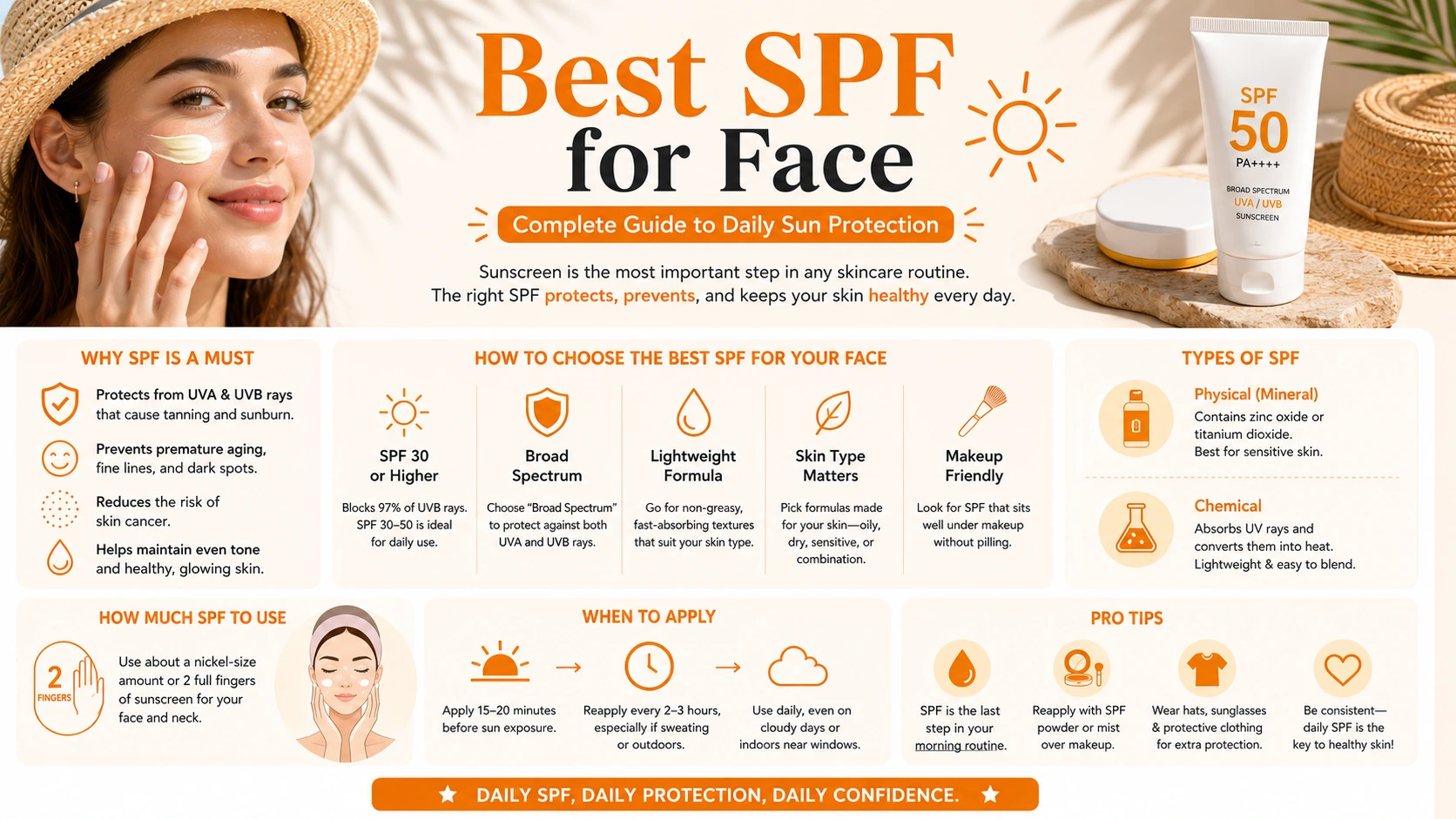
SPF means sun protection factor.
It mainly shows protection against UVB rays, which cause sunburn. Broad-spectrum sunscreen also protects against UVA rays.
The American Academy of Dermatology recommends SPF 30 or higher.
SPF 30 filters about 97% of the sun’s UVB rays. Higher SPF numbers filter slightly more, but no sunscreen blocks 100%.
SPF 50 may suit people who:
- Spend long hours outside
- Exercise outdoors
- Burn easily
- Spend time in strong sunlight
- Want a higher SPF level
A higher SPF does not mean the sunscreen lasts longer.
It also does not mean less product will give the same protection.
Use four simple rules:
- Choose SPF 30 or higher.
- Pick broad-spectrum sunscreen.
- Apply enough products.
- Reapply sunscreen when needed.
How Much Sunscreen Should Go on the Face?
Many people use too little sunscreen. That can lower the protection they get.
The American Academy of Dermatology says most adults need about 1 ounce for exposed body skin. That amount roughly fills a shot glass.
For the face, the AAD advises at least 1 teaspoon, about the amount needed to cover the length of the index and middle fingers.
Also cover:
- Ears
- Neck
- Jawline
- Hairline
- Exposed scalp
Apply sunscreen to dry skin about 15 minutes before going outside.
When outdoors, reapply sunscreen about every two hours. Apply it again sooner after swimming, heavy sweating, or towel drying.
Some products list 40 minutes or 80 minutes of water resistance. These numbers tell how long the tested water resistance lasts during swimming or sweating.
No sunscreen stays waterproof forever.
Which Texture Works Best on Oily Skin?
No single texture suits everyone. Climate, makeup, skin sensitivity, and comfort all matter.
Gel sunscreen
A lightweight gel sunscreen can suit people who dislike heavy creams.
The American Academy of Dermatology specifically lists gels as a good choice for oily complexions.
Gel formulas often spread fast and leave less greasy residue.
Fluid sunscreen
A thin face sunscreen for oily skin can feel almost weightless.
Fluid formulas also tend to sit well under makeup.
Cream sunscreen
Oily skin does not always need to avoid creams.
When choosing the best sunscreen cream for oily skin, check the finish, SPF, broad-spectrum protection, and pore-friendly claims instead of judging the word “cream.”
A light cream may suit oily skin better than a greasy gel. Texture matters more than the product name.
Mineral sunscreen
A mineral sunscreen usually uses zinc oxide, titanium dioxide, or both.
Dermatologists often suggest mineral formulas for sensitive skin.
Some mineral formulas feel thicker or leave a white cast. Tinted versions can make the cast less visible.
Chemical sunscreen
Chemical sunscreens use other UV filters.
Many come in thin fluids or gels, so they can feel comfortable on oily skin.
Neither type automatically wins for oily skin. Mineral, chemical, and hybrid sunscreens can all give good protection when they offer broad-spectrum protection, enough SPF, and a formula that suits the skin.
What If the Skin Is Oily and Acne-Prone?
A good facial sunscreen for oily skin and acne should protect the face without feeling heavy.
Look for:
- Non-comedogenic formulas
- Light gel or fluid textures
- Broad-spectrum SPF 30+
- Fragrance-free options for sensitive skin
- Oil-free sunscreen when preferred
- A finish that feels comfortable
Non-comedogenic means the product aims not to clog pores. It does not promise that every person will stay breakout-free.
Do not blame sunscreen for every breakout.
Makeup, moisturiser, sweat, hair products, and other skincare products can also play a role.
Stop using a product if it causes strong burning, swelling, a rash, or repeat breakouts. A dermatologist can help if the problem continues.
How to Keep Sunscreen from Looking Greasy Under Makeup
Sometimes the layers under sunscreen cause much of the shine.
Start with a gentle cleanser. Harsh washing can upset the skin barrier.
Use a light moisturiser only when the skin needs one. Some people with oily skin may get enough moisture from sunscreen.
A simple morning routine can look like this:
- Gentle cleanser
- Treatment serum, if needed
- Lightweight moisturiser, if needed
- Sunscreen
- Makeup
Let each layer settle before adding the next one.
If makeup pills, try fewer skincare layers or use smaller amounts under the sunscreen.
If shine appears later, press blotting paper onto oily areas. Do not scrub the skin or rub away the sunscreen.
How can sunscreen go back on over makeup?
Outdoor time may still require reapplication even when makeup is on.
Pat sunscreen onto the skin instead of rubbing hard. A light fluid can make this easier. Let it settle before touching up makeup.
Makeup with SPF can add protection, but it should not replace a proper sunscreen layer when the makeup amount does not provide full, even coverage.
Five Sunscreen Mistakes That Can Make Oily Skin Feel Worse
1. Using too many rich products
Thick creams, oils, and rich serums can make even a light sunscreen feel greasy.
Keep the routine simple.
2. Choosing sunscreen only by SPF
SPF matters, but also checks broad-spectrum protection, texture, water resistance, finish, and skin comfort.
3. Applying too little
A tiny amount may feel lighter, but it may not give the protection shown on the label.
Cover the skin evenly.
4. Forgetting to reapply
Morning sunscreen may not last through a long outdoor day.
Reapply during long periods outside and after swimming or heavy sweating.
5. Stripping away too much oil
Strong cleansers can leave the face tight and sore.
The goal is to control extra oil, not damage the skin barrier.
Quick Guide to Choosing Sunscreen for Oily Skin
| Skin type or main concern | What to look for |
| Very oily and shiny | Gel or fluid, matte finish, non-comedogenic |
| Oily and acne-prone | Lightweight, non-comedogenic, gentle formula |
| Oily and sensitive | Fragrance-free; consider mineral sunscreen |
| Makeup wearer | Fast-setting fluid or lightweight lotion |
| Outdoor exercise | Broad-spectrum SPF 30+, water resistance |
| Dark spots or uneven tone | Consider tinted sunscreen with iron oxides |
| Concerned about white residue | Tinted or clear-finish formula with little white cast |
A tinted sunscreen with iron oxides can help protect against visible light.
This extra protection can matter for people with hyperpigmentation or melasma, especially people with darker skin tones.
Tint can also make a white cast less obvious.
How to Choose a Sunscreen in 30 Seconds
A sunscreen does not need every trendy claim on the bottle.
Check these five things:
- Broad-spectrum protection
- SPF 30 or higher
- A light texture that suits oily skin
- Non-comedogenic wording if pores clog easily
- Water resistance when sweating or swimming
Then ask one simple question:
Can this formula feel comfortable enough to use in the right amount every day?
If yes, it may suit the skin better than a costly sunscreen that feels heavy or greasy.
What Makes a Good Sunscreen for Oily Skin?
The best sunscreens for oily skin do more than control shine. They give strong UV protection and feel comfortable enough for regular use.
Start with broad-spectrum SPF 30 or higher. Then compare texture, finish, water resistance, white cast, and pore-friendly claims.
A facial sunscreen for oily skin should feel light enough for daily use. People who dislike rich formulas can try gels, fluids, or light lotions.
Anyone searching for the best sunscreen cream for oily skin should look for a fast-setting texture and a comfortable finish instead of avoiding every cream.
Good sunscreens for oily skin should protect the skin without making the face feel heavy, sticky, or tight.
The most useful sunscreen has three basic qualities:
- Strong sun protection
- A texture that suits the skin
- A formula that feels good enough for regular use
Sunscreen also works best as part of full sun protection. Shade, protective clothing, hats, and sunglasses can add more protection during long periods outside.
Consistent use matters more than chasing a “perfect” product.
A sunscreen that feels good on the skin makes daily sun protection much easier.
FAQs
Can oily skin skip moisturiser before sunscreen?
Sometimes.
If sunscreen gives enough moisture and the skin feels comfortable, a separate moisturiser may not be needed.
Does sunscreen cause acne?
Not every sunscreen causes acne.
People who break out easily can look for non-comedogenic formulas and light textures.
Can oily skin use sunscreen every day?
Yes.
Oily skin still needs UV protection. Natural skin oil cannot replace sunscreen.
Should sunscreen go before or after makeup?
Apply sunscreen before makeup.
Let it settle, then add makeup gently.
Can sunscreen help with dark spots?
Sun protection can help stop dark spots from getting darker.
Tinted sunscreen with iron oxides can also help protect against visible light, which can worsen some forms of hyperpigmentation.
What if sunscreen leaves a white cast?
Some mineral sunscreen formulas can leave a white cast.
A tinted formula may make it less visible.
Does oily skin need sunscreen on cloudy days?
Yes.
Clouds do not block all UV rays. The American Academy of Dermatology notes that up to 80% of harmful UV rays can pass through clouds.
Is SPF 50 always better for oily skin?
Not because the skin is oily.
Oil level does not decide the SPF number. Choose at least SPF 30, then choose the texture based on skin type.
Does matte sunscreen protect better than dewy sunscreen?
No.
A matte finish controls how the product looks and feels. It does not make the sunscreen stronger. Check SPF and broad-spectrum protection for that.