


If there is one skincare product with unequivocal, universally agreed-upon benefit, it is SPF. Daily sunscreen use is the most evidence-backed intervention in all of skincare for preventing premature ageing, dark spots, and significantly reducing skin cancer risk. Pairing sunscreen with a Vitamin C serum helps protect the skin from environmental damage while supporting a brighter, more even complexion.
This guide covers everything you need to choose the right SPF for your skin type, how to apply it correctly, and the best formulas available.
Why Daily SPF Is Non-Negotiable
UV radiation has two primary skin-damaging wavelengths. Daily sun protection works best when combined with a consistent anti-aging skincare routine that supports collagen production and strengthens the skin barrier. UVB burns the skin surface and is the main cause of sunburn and skin cancer. UVA penetrates deeper, breaking down collagen and elastin fibres and causing the dark spots, fine lines, and loss of firmness associated with premature ageing.
SPF only blocks UVB, you need broad-spectrum SPF to also block UVA. All quality facial sunscreens are now labelled broad-spectrum.
Understanding SPF Numbers
• SPF 15: blocks approximately 93% of UVB, insufficient for daily protective use
• SPF 30: blocks approximately 97% of UVB, minimum recommended for daily use
• SPF 50: blocks approximately 98% of UVB, recommended for prolonged outdoor exposure
• SPF 100: blocks approximately 99% of UVB, marginal additional benefit
The difference between SPF 30 and SPF 50 is small but meaningful. Neither works without adequate application quantity (2mg per cm², which equates to approximately a quarter teaspoon for the face and neck) and reapplication after 2 hours of sun exposure.
Chemical vs Mineral vs Hybrid
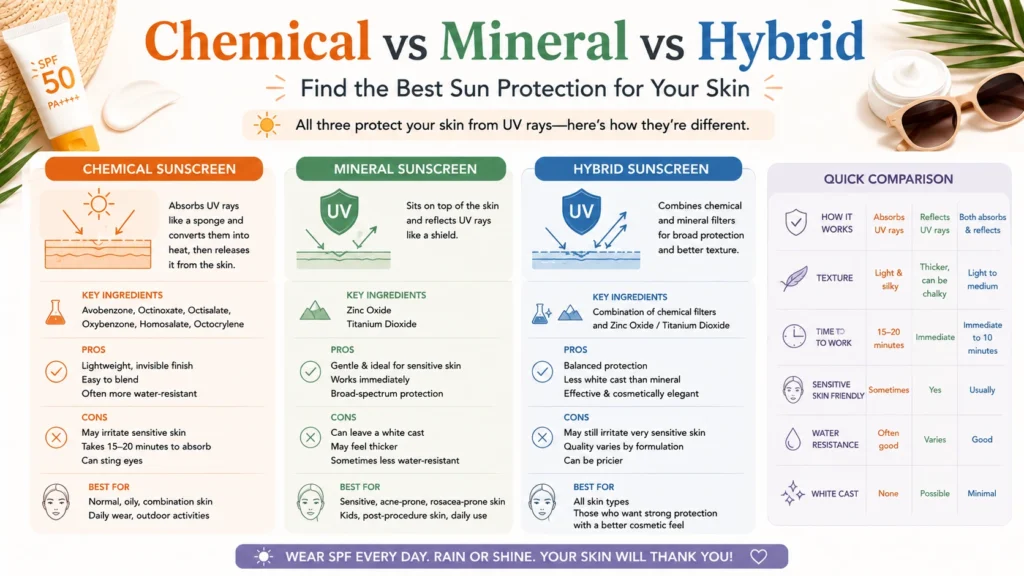
Chemical SPF
Absorbs UV radiation and converts it to heat energy. Needs 20–30 minutes to activate after application. Typically lighter textures and more cosmetically elegant. Best for: normal to oily skin, dark skin tones (no white cast), use under makeup.
Common filters: avobenzone (UVA), octinoxate, octisalate, octocrylene.
Mineral SPF
Zinc oxide and titanium dioxide sit on the skin surface and physically reflect UV. Works immediately on application. Often leaves a white or grey cast on medium-to-deep skin tones. Best for: sensitive, reactive, or acne-prone skin.
Hybrid SPF
Combines chemical and mineral filters for the most complete UV protection with better cosmetic texture than pure mineral. The best of both worlds for most users.
Best SPF Formulas by Skin Type
Oily and Acne-Prone Skin
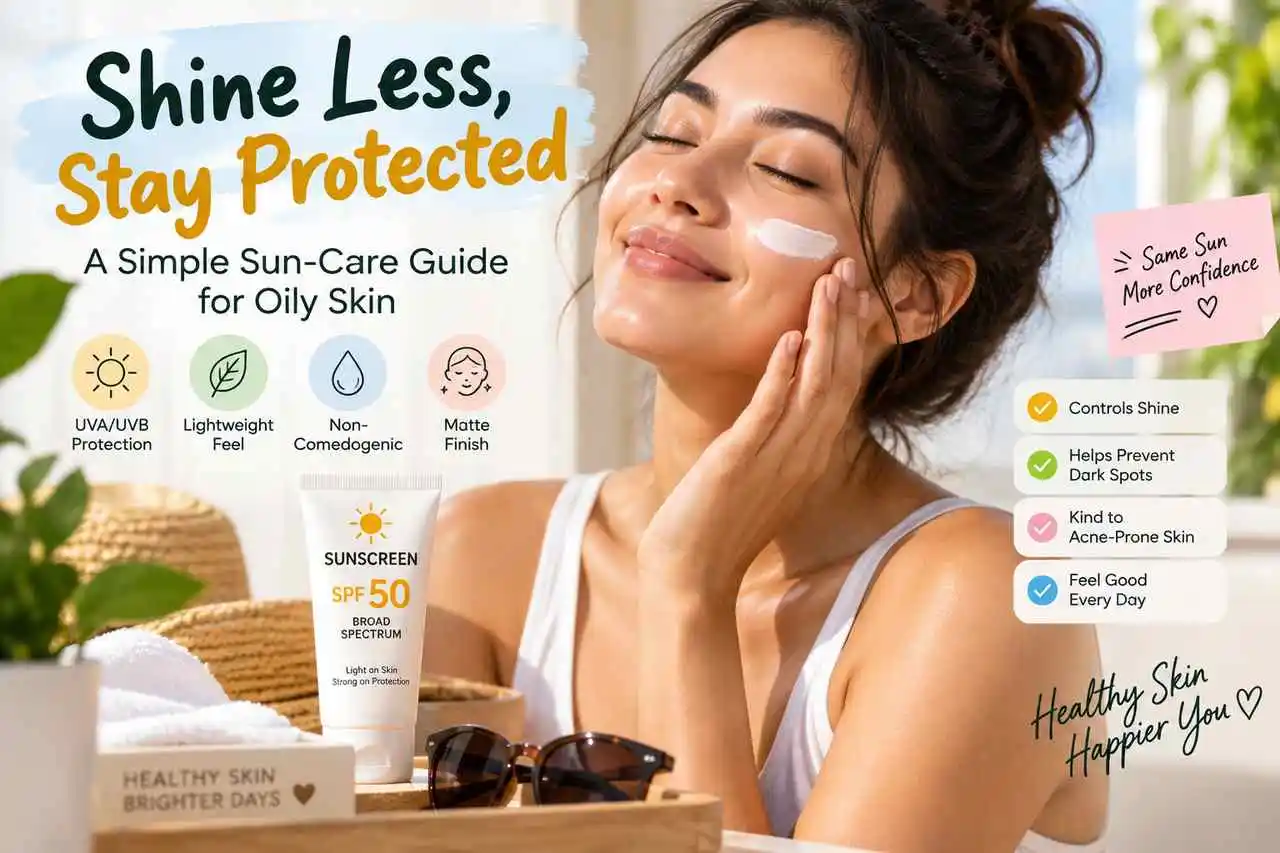
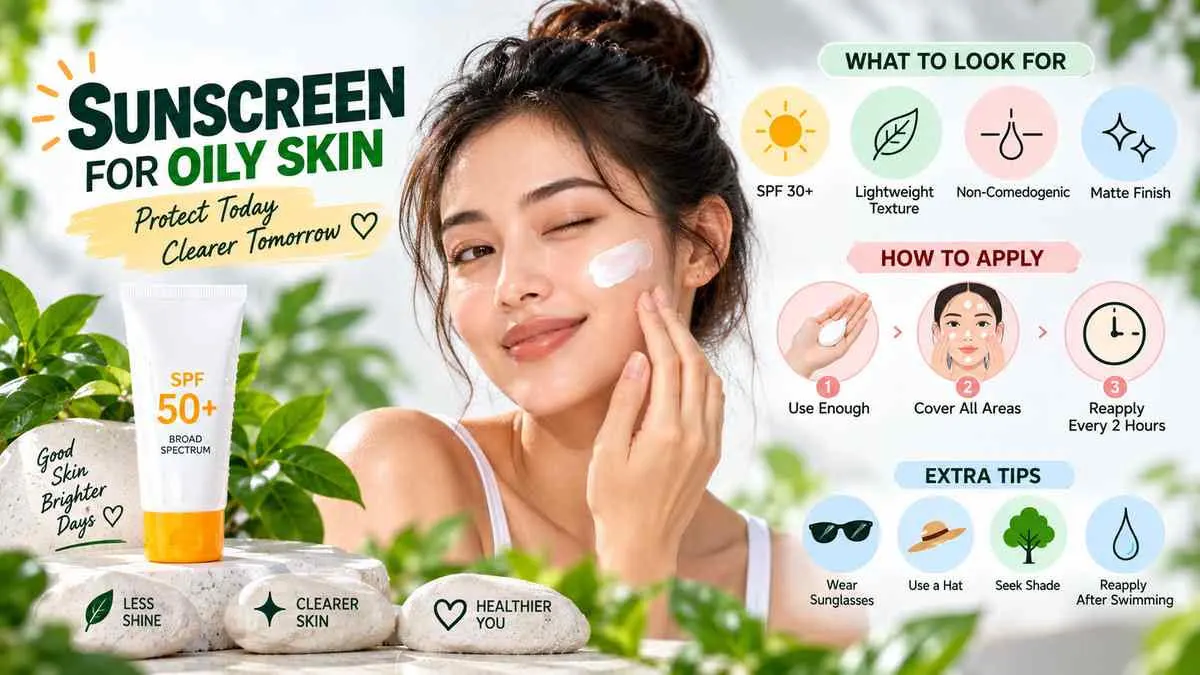
Choose oil-free, non-comedogenic, mattifying formulas. Gel textures work best, they apply invisibly and control shine throughout the day. La Roche-Posay Anthelios Clear Skin SPF 60 and EltaMD UV Clear SPF 46 are consistently top-rated for oily skin.
Dry Skin
Look for SPF with added moisturising ingredients, hyaluronic acid, ceramides, glycerin. Cream and lotion textures work best. La Roche-Posay Anthelios Melt-in Milk SPF 60 and Neutrogena Ultra Sheer Face Lotion are both excellent.
Sensitive Skin
Mineral-only formulas with minimal additives are best. Zinc oxide is gentle and has anti-inflammatory properties. EltaMD UV Physical, Blue Lizard Australian Sunscreen, and CeraVe Hydrating Mineral Sunscreen are all well-tolerated by sensitive skin.
Dark Skin Tones
White cast is the primary concern, pure mineral formulas are often problematic. Look for tinted mineral SPF or hybrid formulas. Fenty Skin Hydra Vizor SPF 30, ILIA Super Serum Skin Tint, and Black Girl Sunscreen SPF 30 are all specifically formulated for zero white cast.
How to Apply SPF Correctly
64. Apply SPF as the final skincare step, before any makeup
65. Use approximately a quarter teaspoon for the face and a quarter teaspoon for the neck
66. Apply to all exposed skin including the neck, ears, and chest
67. Allow 2–3 minutes for chemical SPF to bind before makeup application
Once your sunscreen has fully set, you can continue with makeup, including learning how to apply lipstick perfectly without smudging or bleeding.
68. Reapply every 2 hours during prolonged outdoor exposure
69. Reapply after sweating or swimming, regardless of claimed water resistance
SPF Under Makeup: The Best Approaches
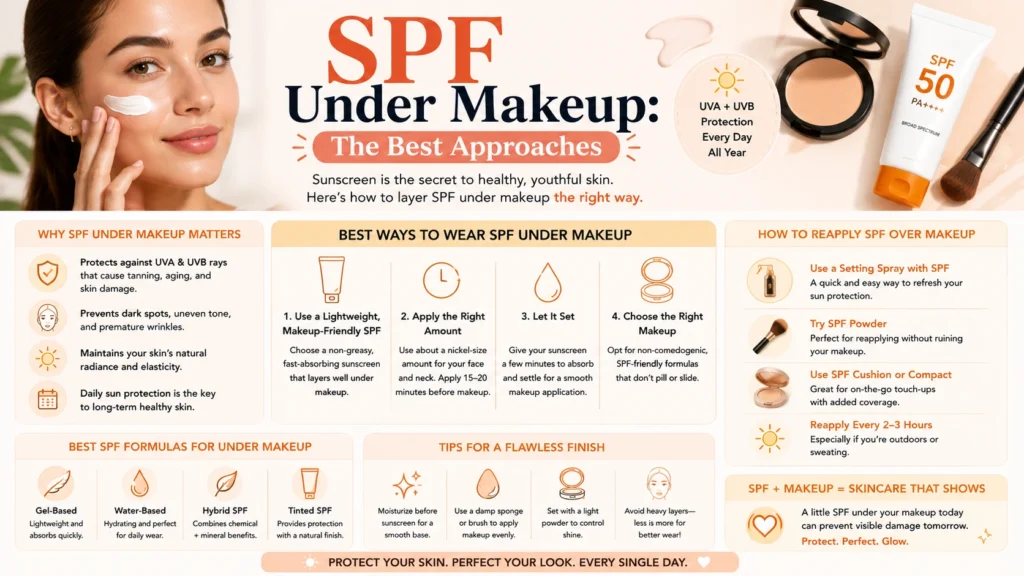
Setting Sprays with SPF
SPF setting sprays provide a quick top-up of sun protection over makeup. They do not provide the same level of coverage as a dedicated sunscreen but offer a practical mid-day reapplication option without disturbing makeup.
SPF Powder
Pressed and loose SPF powders can be dusted over makeup for reapplication. The most practical mid-day option for those wearing full makeup. Apply generously, insufficient application defeats the purpose. After reapplying SPF, you can refresh your eye makeup without starting over by following this easy smoky eye tutorial for beginners.
Common SPF Myths Debunked
• Myth: SPF in foundation is enough, False: insufficient quantity is applied for the stated SPF value
• Myth: Dark skin doesn’t need SPF, False: all skin tones are susceptible to UV damage and skin cancer
• Myth: SPF causes breakouts in everyone, False: many excellent non-comedogenic formulas exist
• Myth: SPF makes skin greasy, False: modern lightweight gel formulas are invisible and oil-controlling
• Myth: You only need SPF in summer, False: UVA is year-round; apply daily, every season
Daily sunscreen makes it much easier to keep your makeup looking fresh from morning to evening. If you’re heading out after work, this day-to-night makeup look guide shows how to refresh your makeup in just a few minutes.
Final Thoughts
The best SPF is the one you will apply every day. Finding a formula you genuinely enjoy using, that sits well under your makeup, doesn’t cause breakouts, and feels comfortable, is the entire point. It does not need to be the most expensive formula. The most important factor is daily consistent use. Thirty seconds of SPF application every morning is the highest-return investment in your skin’s future.
Frequently Asked Questions
Q: What SPF should I use on my face daily?
A: SPF 30 is the minimum recommended for daily use. SPF 50 provides better protection for prolonged outdoor exposure, time in direct sunlight, or higher UV index regions. The difference between SPF 30 and SPF 50 is approximately 3% additional UVB blocking (97% vs 97% at SPF 50), meaningful but incremental.
Q: Should I use chemical or mineral SPF?
A: Chemical SPF absorbs UV and converts it to heat, lighter texture, better under makeup. Mineral SPF (zinc oxide, titanium dioxide) sits on the skin and physically reflects UV, better for sensitive skin, often leaves a white cast on deep skin tones. Hybrid formulas combine both.
Q: Does SPF in foundation count?
A: Foundation SPF provides minimal protection because insufficient product is applied to reach the stated SPF value. Always apply a dedicated SPF before foundation. Foundation SPF adds a small supplementary layer but should not replace a dedicated sunscreen.
Q: Does SPF cause breakouts?
A: Some SPF formulas contain ingredients (certain chemical filters, fragrances, heavy occlusives) that can clog pores. However, many are formulated specifically for acne-prone skin. Look for oil-free, non-comedogenic SPF labelled for acne-prone or oily skin types.
Q: Do I need SPF on cloudy days?
A: Yes, UVA radiation penetrates cloud cover significantly. Up to 80% of UV radiation reaches the skin on overcast days. UVA causes premature ageing and penetrates glass (relevant for driving). Daily SPF is necessary regardless of visible sunshine.




1 Comment
[…] Dermatologists recommend a broad-spectrum sunscreen with SPF 30 or higher for daily sun protection. Broad-spectrum products help protect against both UVA and UVB rays. […]