
How Do You Choose Sun Protection for Oily Skin?
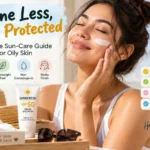
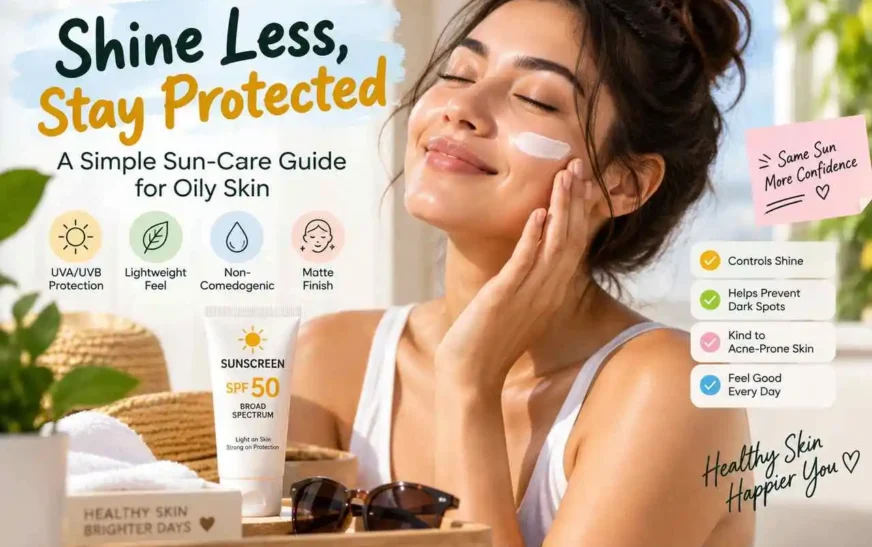
Oily skin can make sunscreen hard to enjoy. Thick creams may leave the face shiny, sticky, or greasy before the day ends. That often makes people use too little sunscreen or skip it, even though oily skin still needs daily protection from UV rays. Good oily skin sun protection starts with a light formula and the right SPF.
Choose a broad-spectrum sunscreen that feels comfortable on the face. If breakouts happen easily, look for a non-comedogenic option. The goal is simple: protect the skin without adding a heavy layer.
Daily Makeup Tips recommends reading the sunscreen label before buying. SPF, broad-spectrum coverage, texture, and water resistance tell you far more than a trendy claim on the front of the bottle.
Oily Skin Sun Protection: How to Protect Skin Without Extra Grease
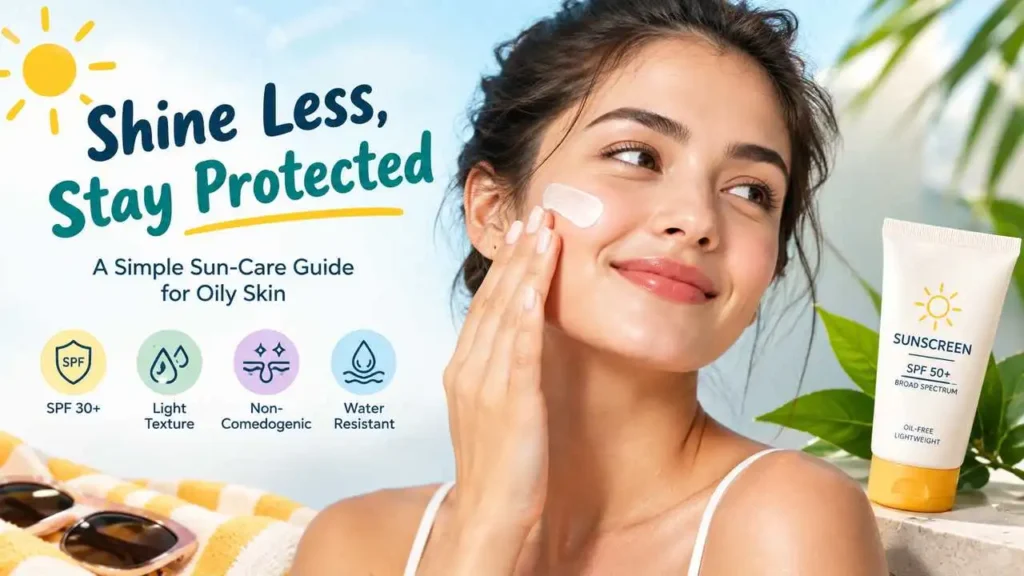
Natural skin oil does not stop UVA rays or UVB rays. Sun exposure can cause sunburn, dark spots, uneven tone, and early signs of skin ageing. It can also make post-acne marks look darker.
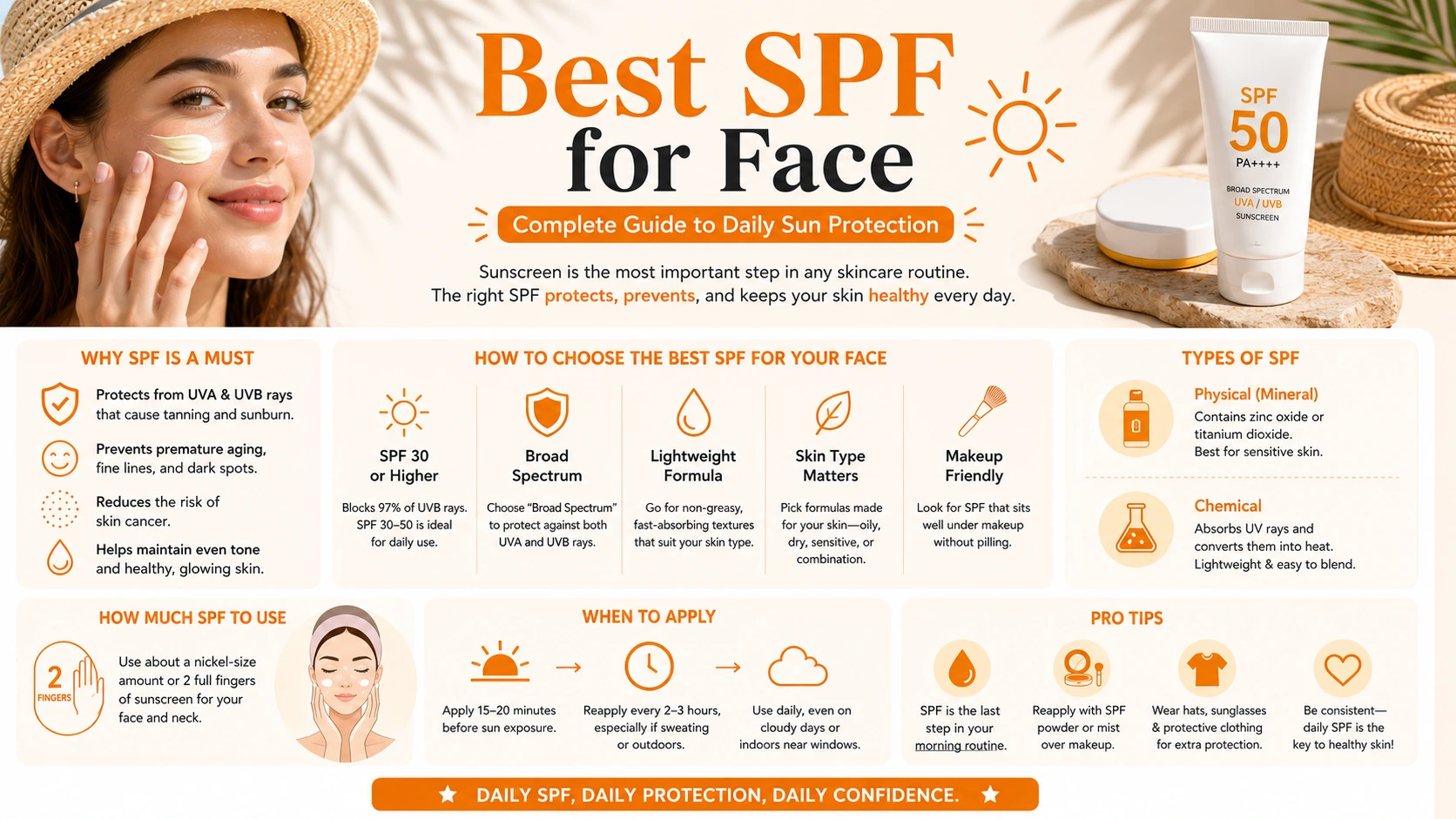
Dermatologists recommend a broad-spectrum sunscreen with SPF 30 or higher for daily sun protection. Broad-spectrum products help protect against both UVA and UVB rays.
A good sunscreen for oily skin should also feel light enough for regular use. Gels, fluids, milks, and thin lotions often feel more comfortable than thick creams.
What to Check Before Buying
Read the label and look for:
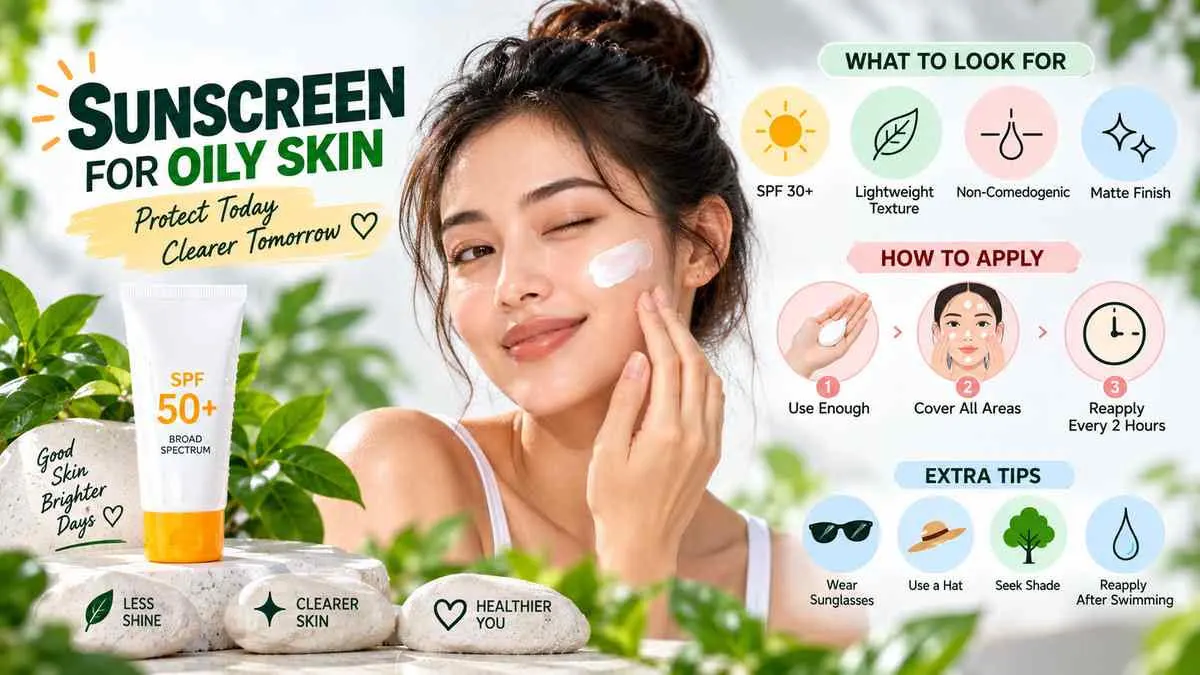
- SPF 30+ for daily facial use
- Broad-spectrum protection for UVA and UVB coverage
- Non-comedogenic or “won’t clog pores” for acne-prone skin
- A gel, fluid, milk, or light lotion texture
- Oil-free options if rich creams feel greasy
- A matte finish or dry-touch feel if shine bothers you
- Water resistance for swimming, exercise, heat, or long outdoor days
- Fragrance-free options if your skin reacts easily
“Matte” and “oil control” can improve comfort, but they do not replace strong UV protection. Check the SPF and broad-spectrum claim first.
Quick Sunscreen Comparison for Oily Skin
| Feature | Why It Helps | What to Check |
| SPF level | Helps protect against UVB-related sunburn | SPF 30 or higher |
| Broad spectrum | Helps cover UVA and UVB rays | “Broad Spectrum” or UVA/UVB |
| Non-comedogenic | May suit acne-prone skin better | “Non-comedogenic” or “won’t clog pores” |
| Texture | Often feels lighter | Gel, fluid, milk, light lotion |
| Finish | Can reduce visible shine | Matte, dry-touch, natural |
| Water resistance | Helps during sweat or swimming | 40- or 80-minute claim |
| Fragrance | May matter for sensitive skin | Fragrance-free if needed |
Which Texture Feels Best?
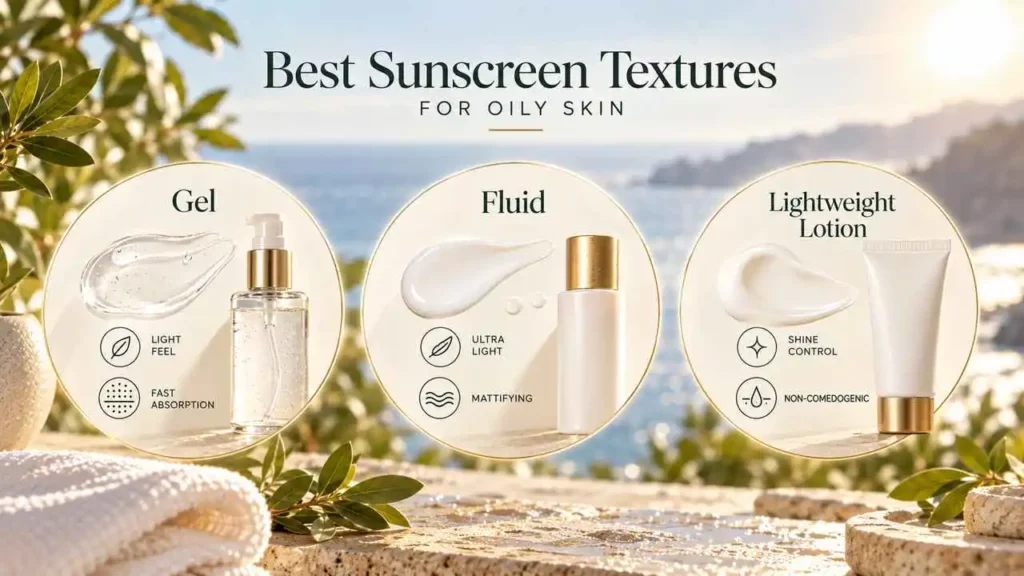
Texture can change how sunscreen feels during the day. Oily skin already makes sebum, so a thick cream may feel heavy.
A gel or fluid oily skin sunscreen often spreads fast and feels light. A thin lotion can also work well. Look for a formula that settles without leaving a thick, greasy film.
Mineral sunscreens often use zinc oxide, titanium dioxide, or both. Some feel light, while others feel thicker or leave a visible cast.
Chemical sunscreen filters can also come in very light gels and fluids.
No single type works best for everyone. Check UV protection, comfort, skin sensitivity, finish, and how the product sits under makeup.
How Much Should Go on the Face?
Too little sunscreen can lower protection. Apply a generous, even layer over all exposed skin. Cover the ears, hairline, jaw, and neck as well.
The FDA advises applying sunscreen about 15 minutes before sun exposure. Apply it again at least every two hours during outdoor exposure. Reapply sooner after swimming, heavy sweating, or towel drying.
Always follow the directions on the product label.
For the face, complete and even coverage matters more than one tiny dot. If a thick product feels difficult to use in the right amount, choose a lighter face sunscreen for oily skin.
A fluid or gel often works well for the morning layer. Another suitable sunscreen format can make touch-ups easier later.
Do not depend on makeup with SPF alone unless you apply enough makeup to reach the label’s SPF. Many people do not use that much foundation or powder.
A Simple Morning Routine
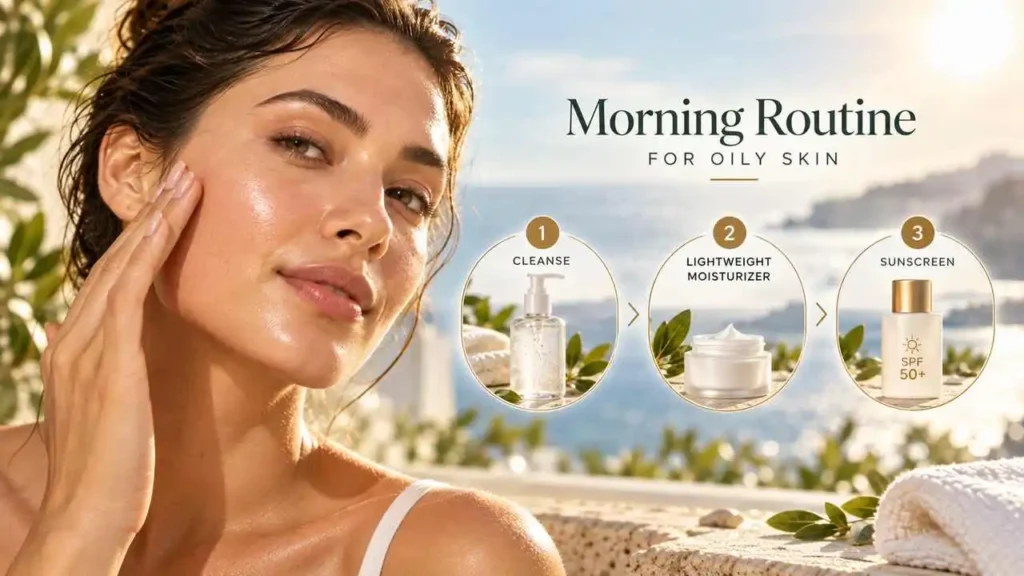
Too many rich layers can make oily skin feel heavy. Keep the routine easy:
- Wash with a gentle cleanser.
- Apply acne medicine or a treatment serum if you use one.
- Add a lightweight moisturiser if your skin needs more hydration.
- Apply sunscreen as the final skincare step.
- Let it settle, then add makeup.
If you search for facial sunscreen oily skin options, focus on texture, SPF, broad-spectrum coverage, and pore-friendly claims rather than marketing words alone.
Oily skin can still need moisture. If the sunscreen gives enough hydration, you may not need a rich moisturiser underneath it.
What Makes Sunscreen Comfortable on an Oily Face?
A good sunscreen for oily face use should feel light, spread well, and stay comfortable while giving reliable UV protection.
Use this quick checklist:
- SPF 30 to 50+
- Broad-spectrum protection
- Non-comedogenic label
- Gel, fluid, milk, or light lotion texture
- Low-grease or matte finish
- Comfortable wear under makeup
- No strong burning or stinging
- Water resistance when needed
Do not judge sunscreen only in the first few minutes. Check the skin again after two or three hours. Watch for pilling, irritation, or new breakouts.
Five Common Mistakes
1. Using Too Many Rich Layers
A thick moisturiser, facial oil, heavy primer, and sunscreen can create extra shine.
Use only the layers your skin needs.
2. Applying Too Little
A smaller amount may feel lighter, but it can reduce protection.
Choose a lighter formula that feels easy to apply well.
3. Skipping Cloudy Days
Clouds do not block all UV rays.
Daily sun care still matters when you spend time outside.
4. Scrubbing Too Hard
Strong scrubs and harsh cleansers can irritate the skin.
A gentle cleanser usually suits daily care better.
5. Choosing Only by an “Oil-Free” Claim
Oil-free can improve comfort, but the claim does not tell the full story.
Also check SPF, broad-spectrum protection, texture, and skin tolerance.
Sun-Protection Facts That Matter
Sunscreen goes on the skin, so food-style nutrition facts do not fit this topic. These label facts matter instead:
| Sun-Protection Fact | What It Means |
| SPF 30+ | A common level that dermatologists advise for daily use |
| Broad spectrum | Helps protect against UVA rays and UVB rays |
| 15 minutes | Common time to apply before sun exposure |
| Every 2 hours | Standard reapplication timing while outdoors |
| 40 or 80 minutes | Common water-resistance periods on U.S. labels |
| 1 ounce | Approximate amount the FDA gives for covering an average adult body |
For the face, aim for full and even coverage. If you use only a very thin layer, you may not get the SPF level that the label promises.
When Oily Skin Also Breaks Out
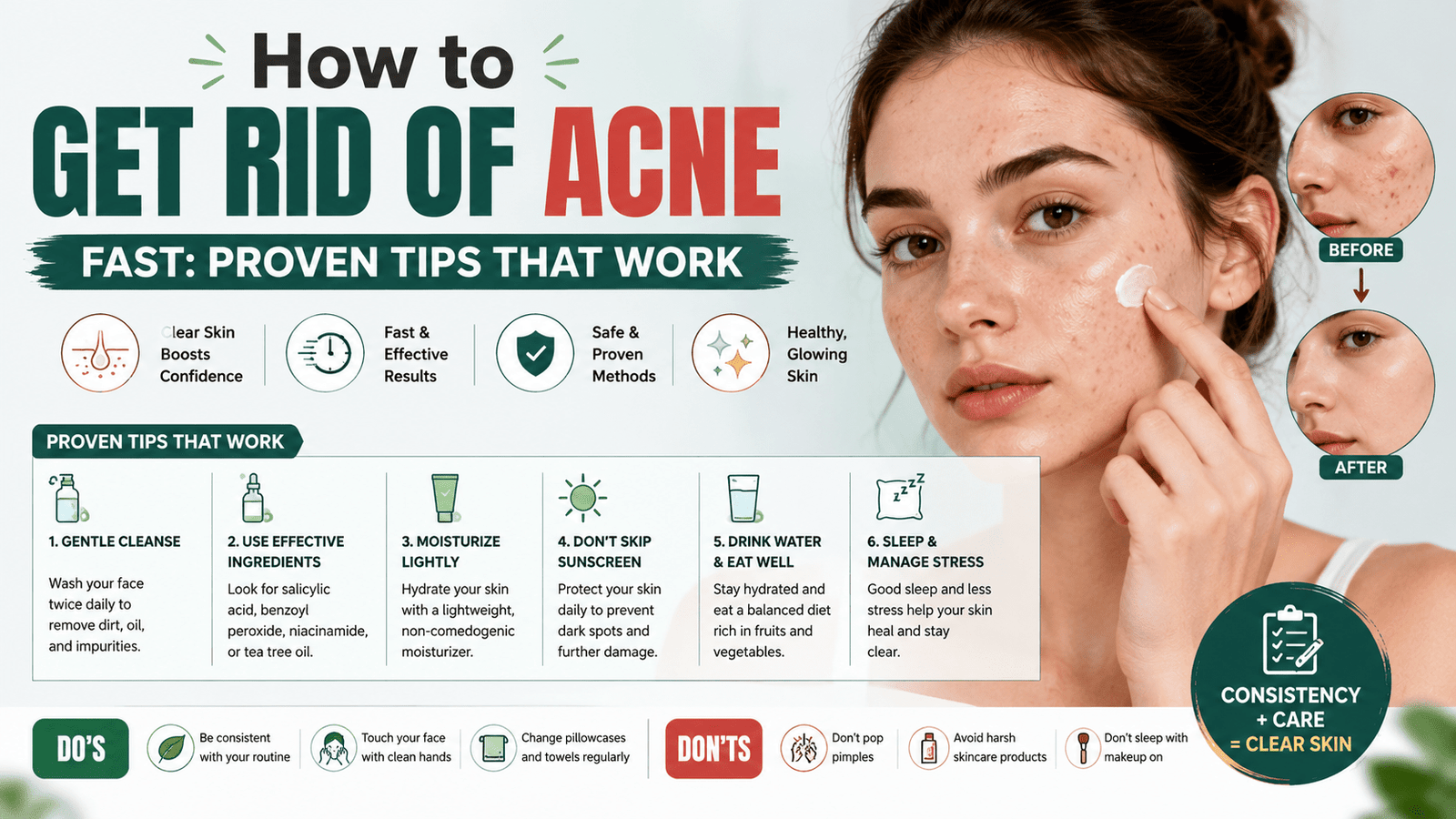
For breakout-prone skin, choose a sunscreen with a non-comedogenic label.
If you search for face oily skin sunscreen, check whether the product also offers broad-spectrum protection and a texture that suits acne-prone skin.
The non-comedogenic label means the product aims to avoid clogging pores, but every person can still react differently.
Some acne treatments can also leave skin dry or sensitive. A lightweight sunscreen can protect the skin without making the routine feel too heavy.
Test a new formula on a small area if your skin reacts easily. Stop using it if you develop strong burning, swelling, or a rash. See a dermatologist if the reaction continues.
A Simple Rule to Remember
The best sunscreen does not need a long list of beauty claims. It needs reliable UV protection and a texture that you can wear comfortably.
Start with a lightweight, non-comedogenic, broad-spectrum SPF 30+ formula. Pick a finish that suits your skin. Apply enough, and reapply when needed.
That simple routine can make oily skin sun protection easier to follow every day.
FAQs
u003cstrongu003eDoes SPF 50 last longer than SPF 30?u003c/strongu003e
No.u003cbru003eSPF tells you about UVB protection under test conditions.u003cbru003eA higher SPF does not mean the product lasts longer.u003cbru003eBoth need reapplication during ongoing sun exposure.
u003cstrongu003eCan UVA rays pass through windows?u003c/strongu003e
Yes.u003cbru003eu003cstrongu003eUVA raysu003c/strongu003e can pass through standard window glass more easily than UVB.u003cbru003eSunscreen may help if you spend a long time beside a sunny window.
u003cstrongu003eIs matte sunscreen always better for oily skin?u003c/strongu003e
Not always.u003cbru003eVery shiny T-zone: a matte or soft-matte sunscreen may feel better.u003cbru003eOily but dehydrated skin: a lightweight hydrating sunscreen may suit better.u003cbru003eMakeup use: a sunscreen that dries evenly often works best.u003cbru003eSensitive skin: comfort and low irritation matter more than finish.
u003cstrongu003eDo darker skin tones need sunscreen?u003c/strongu003e
Yes.u003cbru003eMore melanin gives some natural UV protection, but it does not block all UV damage.u003cbru003eSun protection can also help stop u003cstrongu003edark spotsu003c/strongu003e and uneven pigmentation from becoming more noticeable.
u003cstrongu003eCan SPF 50 clog pores more than SPF 30?u003c/strongu003e
Not because of the SPF number itself.u003cbru003eThe full formula, texture, and your skin response matter more for clogged pores.u003cbru003eChoose a u003cstrongu003enon-comedogenicu003c/strongu003e sunscreen if breakouts happen easily.