

You wake up early, do your skincare, and carefully apply concealer to hide those tired-looking dark circles. A good professional makeup prep routine can make a huge difference in how smoothly concealer applies and how long it lasts It looks flawless in the mirror. Then, a few hours later, you check a photo or catch your reflection and there it is: two little lines sitting right in the crease under your eyes, making you look even more tired than before you started. Sound familiar?
Concealer creasing is one of the most common makeup complaints, and honestly, it happens to almost everyone at some point, no matter their age or skin type. It is frustrating because you did everything “right,” yet the makeup still settles into fine lines and dry patches instead of sitting smoothly on your skin. The good news is that creasing is not random bad luck. It has clear causes, and once you understand them, you can fix the problem for good.
Creasing usually happens because of one or a combination of these things: too much product, dry or dehydrated skin under the concealer, skipping proper setting techniques, or using a formula that simply is not made for your skin type. Your under-eye area is also naturally thinner and moves more than any other part of your face, since you blink, squint, and smile constantly throughout the day. That constant movement is exactly why this area creases faster than your cheeks or forehead.
In this guide, we are going to break down everything that causes concealer If you’re just starting your makeup journey, these makeup products every beginner should buy first will help you build a solid routine before perfecting your concealer technique. creasing and exactly how to stop it. We will cover skincare prep, color correcting, the right amount of product, professional setting techniques used backstage at fashion shows, and the best products for different skin types, from oily to dry to mature skin. We will also bust some common myths, point out mistakes almost everyone makes at least once, and answer the most searched questions about under-eye makeup.
By the end of this article, you will know exactly how to apply concealer so it stays smooth, bright, and crease-free from your morning coffee to your evening plans. Let’s dive in and finally solve this makeup mystery for good.
1. Why Does Concealer Crease Under the Eyes?
Let’s start with the basics. Concealer creasing happens when the product settles into fine lines, dry patches, or areas of movement instead of sitting smoothly on top of the skin. The under-eye area is especially prone to this because the skin here is thinner and more delicate than almost anywhere else on your face.
Think about how much your under-eye skin moves in a single day. You blink thousands of times, squint in the sun, laugh, and rub your eyes when you are tired. All of that constant movement gives concealer plenty of chances to shift and settle into any tiny lines or dry spots, especially if the product was not set properly in the first place.
Did You Know? Dermatology sources like the Cleveland Clinic explain that the skin around the eyes is significantly thinner than skin on the rest of the face, which is part of why it shows dryness, fine lines, and product settling more easily than other areas.
Another major factor is dehydration. If the skin under your concealer is dry, the product has nothing smooth to grip onto, so it naturally gathers in the driest, most textured spots first. This is why two people can use the exact same concealer, and one person’s makeup creases within an hour while the other person’s stays smooth all day. The difference often comes down to skin prep, not the product itself.
Mini Conclusion: Creasing is not just about the concealer you choose. It is a combination of skin hydration, product amount, application technique, and how well you set the final look. Understanding this is the first step toward actually fixing the problem.
2. Skincare Prep: The First Line of Defense Against Creasing
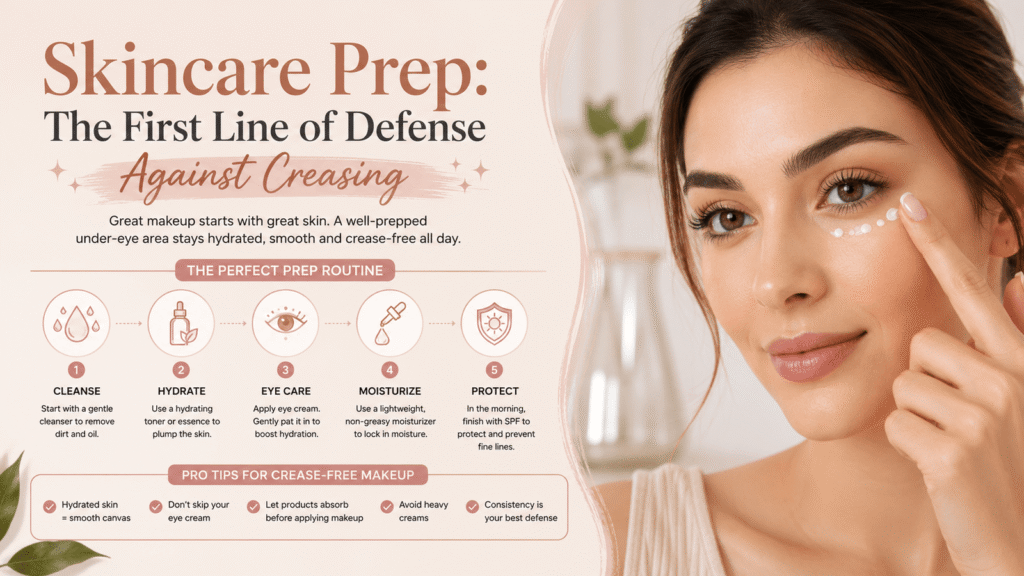
If you take away only one thing from this entire article, let it be this: skincare prep matters more than the concealer itself. A hydrated, smooth under-eye area gives concealer a much better surface to sit on, which dramatically reduces the chances of creasing later in the day.
Start with a gentle eye cream, applied at least a few minutes before makeup so it has time to fully absorb. Many people also ask whether primer is really necessary before makeup, and understanding its purpose can improve overall makeup longevity. Look for ingredients like hyaluronic acid, which is well known for its ability to attract and hold moisture in the skin, and peptides, which are often included in eye creams to support skin smoothness over time.
Pro Tip: Apply your eye cream using your ring finger, since it naturally applies the lightest pressure of all your fingers. The under-eye skin is delicate, and pressing too hard while applying products can actually cause irritation or puffiness.
Give your skincare products enough time to sink in before starting your makeup. Applying concealer directly on top of a wet or half-absorbed eye cream is one of the fastest ways to cause creasing, since the concealer has nowhere stable to grip onto and simply slides around on the extra moisture.
Common Mistake: Using a heavy, thick eye cream right before makeup. While rich eye creams can be wonderful for nighttime use, they often leave too much residue for daytime makeup application. Switch to a lighter, fast-absorbing formula for your morning routine.
Mini Conclusion: A hydrated, properly prepped under-eye area, using the right amount of a lightweight eye cream, sets the stage for concealer that actually stays put.
3. Choosing the Right Concealer Formula for Your Skin Type
Not all concealers are created equal, and choosing the wrong formula for your skin type is one of the biggest hidden reasons behind creasing. Matte, full-coverage concealers can look stunning on camera, but they often crease faster on dry or mature skin because they lack the flexibility to move with your skin naturally.
For dry or mature skin, a hydrating, radiant-finish concealer usually works best. These formulas often contain moisturizing ingredients that help the product blend seamlessly into the skin instead of sitting on top of dry patches. For oily skin, a slightly more matte, long-wear formula tends to hold up better, since excess oil can break down overly hydrating concealers faster.
| Skin Type | Best Concealer Finish | Why It Works |
| Dry or Mature Skin | Hydrating, radiant finish | Blends into skin instead of sitting on dry patches |
| Oily Skin | Matte, long-wear finish | Resists breaking down from excess oil |
| Combination Skin | Satin finish | Balances hydration and oil control |
| Sensitive Skin | Fragrance-free, gentle formula | Reduces irritation risk around delicate eye area |
Expert Advice: Professional makeup artists often keep two different concealer formulas in their kit, one hydrating and one matte, so they can adjust based on each client’s unique under-eye skin texture rather than relying on a single “one size fits all” product.
Mini Conclusion: Matching your concealer’s finish to your specific skin type If your skin gets shiny throughout the day, following the best makeup routine for oily skin can help keep your concealer looking fresh for longer. is just as important as the shade you choose, and it plays a huge role in whether your makeup creases or stays smooth.
4. Color Correcting Before Concealer
Color correcting is a step many beginners skip entirely, yet it can actually help reduce creasing indirectly. Here is why: when you use a color corrector to neutralize dark circles first, you often need less concealer on top to achieve full coverage. Less product generally means less chance of creasing.
Peachy or orange-toned correctors work well for neutralizing blue or purple undertones in dark circles, especially on medium to deep skin tones. Lighter, salmon-toned correctors tend to work better on fair skin. Apply a very thin layer only where you see discoloration, rather than covering your entire under-eye area.
Quick Tip: Pat the color corrector in gently with your ring finger or a small brush, then let it set for a minute before applying concealer on top. This helps prevent the two products from mixing together and becoming muddy or heavy.
Common Mistake: Applying too much color corrector, thinking more product means better coverage. In reality, a thin, targeted layer combined with a light layer of concealer on top almost always looks more natural and lasts longer than one thick layer of either product alone.
Mini Conclusion: Using color corrector strategically can reduce the total amount of concealer you need, which directly lowers your risk of creasing while also giving you brighter, more natural-looking coverage.
5. How Much Concealer Should You Actually Use?
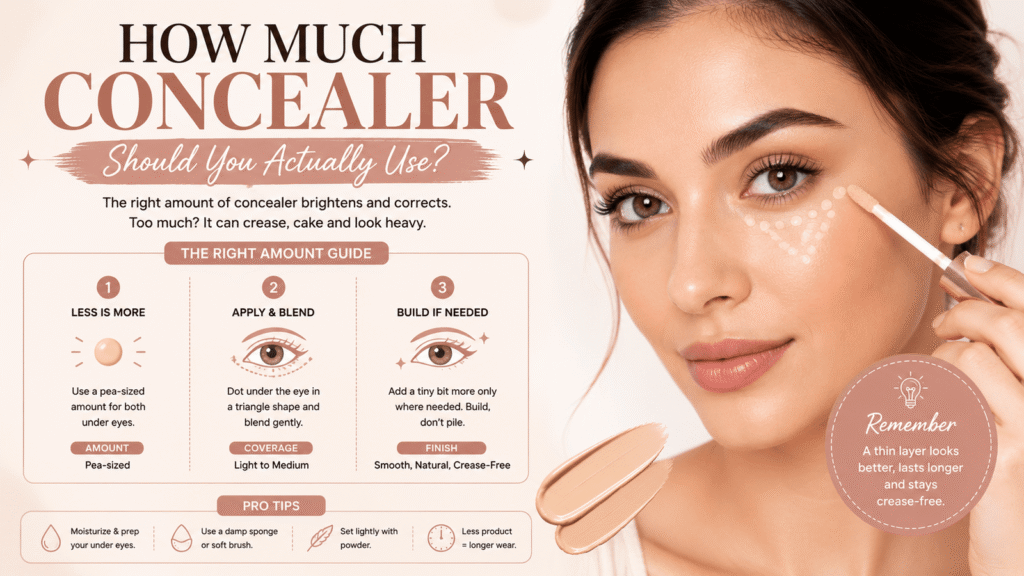
This might be the single biggest factor in preventing creasing: using less product than you think you need. Many beginners pile on concealer trying to fully erase dark circles in one layer, but this almost always backfires, since thick layers have nowhere to go except into your fine lines.
The better approach is building thin, sheer layers gradually. Choosing the right foundation shade also helps your concealer blend seamlessly without looking heavy or obvious. Start with a small amount, about the size of half a grain of rice for each eye, and blend it out before deciding if you need more. You will often find that you need far less than you originally thought once the product is properly blended.
Pro Tip: If you have particularly dark circles, consider using a color corrector as your base layer, described in the previous section, so your concealer layer can stay thinner while still achieving full coverage.
Reality Check: Full coverage does not have to mean a thick layer of product. Building sheer layers with a hydrated base often creates more brightening coverage than one heavy layer, while also looking far more natural and lasting significantly longer without creasing.
Mini Conclusion: Less is genuinely more when it comes to under-eye concealer. A thin, buildable approach almost always outperforms a single thick application, both in appearance and in wear time.
6. The Right Application Technique and Tools
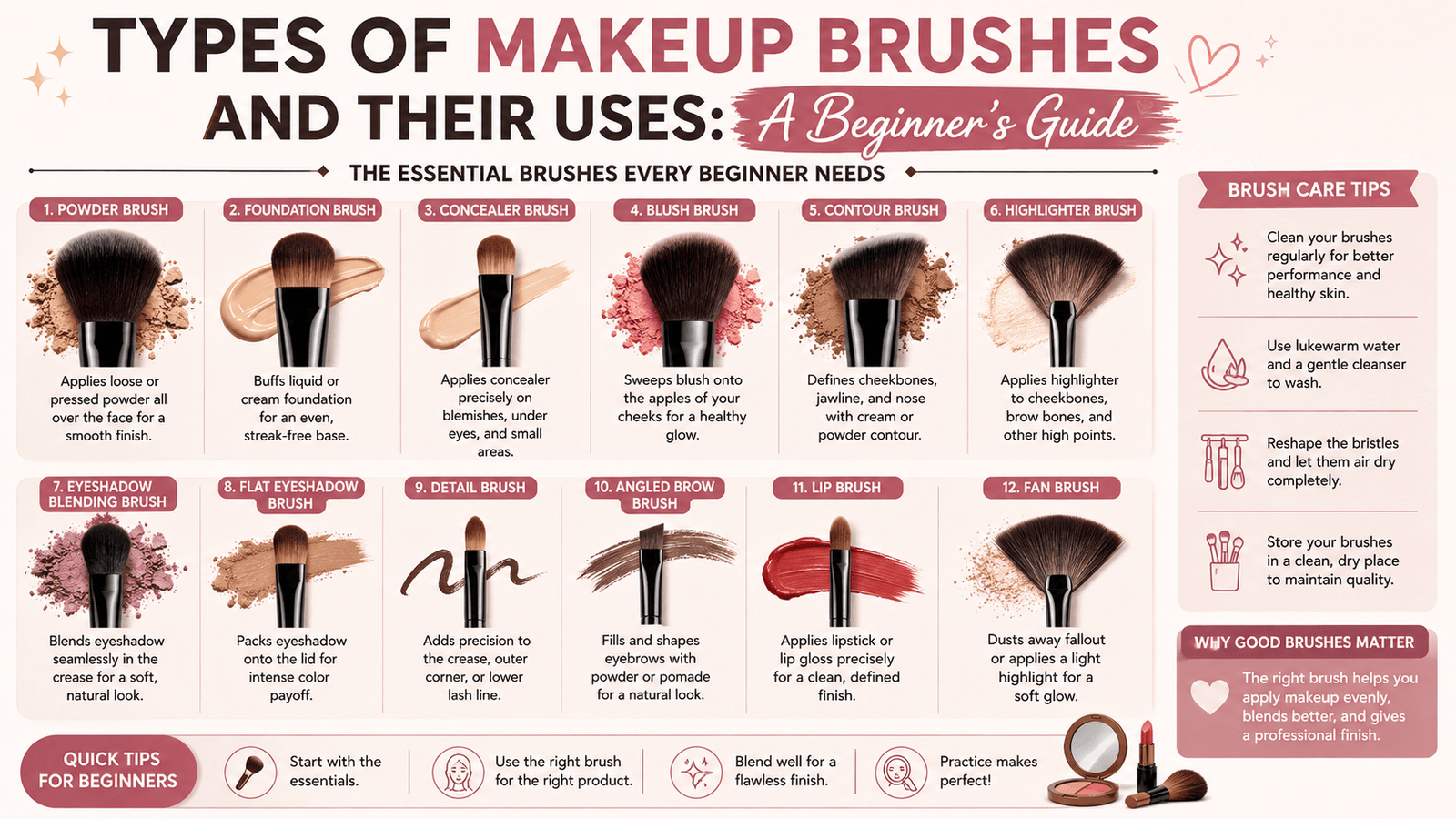
How you apply your concealer matters just as much as how much you use. A damp makeup sponge is generally considered the best tool for under-eye application because it presses the product into the skin rather than dragging or smearing it, which helps prevent it from settling into fine lines later.
Avoid using a dry, stiff brush for this area, since dry bristles can drag concealer into your natural creases as you blend. If you prefer using a brush, choose a small, soft, tapered synthetic brush and use gentle patting motions instead of swiping strokes.
Expert Advice: Many professional makeup artists use their fingers for the very first layer of concealer, since the natural warmth from your fingertips helps melt the product into the skin, followed by a damp sponge to blend and press everything into place seamlessly.
Common Mistake: Rubbing or dragging concealer back and forth across the under-eye area. This motion actually pushes product into fine lines rather than blending it smoothly across the surface, making creasing far more likely later in the day.
Mini Conclusion: Gentle patting and pressing motions, using a slightly damp sponge or your fingertips, create a smoother, longer-lasting finish than swiping or rubbing techniques ever will.
7. Setting Techniques That Actually Prevent Creasing
Setting powder is where the real crease-prevention magic happens. Skipping this step, or doing it incorrectly, is one of the most common reasons concealer creases even when everything else was done properly.
The “baking” technique is especially popular for this exact problem. After applying your concealer, press a generous amount of translucent, finely milled setting powder underneath your eyes using a small, fluffy brush or a makeup sponge. Let it sit undisturbed for 3 to 5 minutes while you finish the rest of your makeup, then dust away the excess with a soft brush.
Pro Tip: Baking works because the warmth of your skin helps the powder absorb any excess moisture and oil from the concealer underneath, creating a smooth, set finish that resists movement and creasing throughout the day.
Bonus Trick: For mature or very dry skin, try a lighter touch with baking, using a smaller amount of powder and a shorter setting time of about 2 minutes. Overbaking on very dry skin can sometimes emphasize texture rather than smoothing it.
Mini Conclusion: Whether you choose a full baking technique or a lighter dusting of setting powder, properly setting your concealer is one of the most reliable ways to prevent it from creasing throughout the day.
8. Common Mistakes That Cause Creasing
Let’s put together everything we have covered so far into one clear breakdown of the most common mistakes and their simple fixes.
| Mistake | Why It Causes Creasing | Solution |
| Skipping eye cream | Dry skin has nothing smooth to grip | Use a lightweight, fast-absorbing eye cream |
| Using too much concealer | Excess product settles into lines | Build thin, sheer layers instead |
| Applying on wet skincare | Product slides on unabsorbed moisture | Wait a few minutes before makeup |
| Rubbing instead of patting | Pushes product into fine lines | Use gentle patting motions with a sponge |
| Skipping setting powder | Nothing locks the concealer in place | Set with translucent powder every time |
| Wrong formula for skin type | Mismatched hydration levels | Choose a formula suited to your specific skin type |
Reality Check: Most creasing problems come from a combination of two or three small mistakes rather than just one big one. Fixing your skincare prep and your setting technique together usually solves the issue completely.
Mini Conclusion: Once you recognize these common mistakes, If you’re also trying to hide acne marks, learn how to cover blemishes naturally while keeping your makeup lightweight and natural. they become incredibly easy to avoid, and your concealer will naturally start lasting much longer without any extra product cost.
9. Common Myths About Concealer and Creasing
There is a lot of confusing advice floating around about concealer, so let’s clear up a few persistent myths that might actually be working against you.
Myth 1: More powder always prevents creasing. Overloading your under-eye area with powder can actually create a dry, cakey texture that emphasizes fine lines instead of hiding them, especially on mature or dehydrated skin.
Myth 2: Expensive concealer never creases. Price does not guarantee performance. Even luxury concealers will crease if your skin prep, product amount, or setting technique is off. Formula match matters far more than price tag.
Myth 3: You should always match concealer exactly to your foundation shade. For brightening dark circles, going one or two shades lighter than your foundation, rather than matching it exactly, often gives a more awake, refreshed appearance.
Myth 4: Creasing only happens to older skin. While mature skin can be more prone to creasing due to natural texture changes, dehydration and improper application can cause creasing at any age, including on teenagers and young adults.
Mini Conclusion: Letting go of these myths helps you focus on what actually works: proper hydration, the right formula, correct product amount, and reliable setting techniques.
10. Seasonal Adjustments for Under-Eye Makeup
Your under-eye routine may need small tweaks depending on the season. In winter, indoor heating can dry out your skin significantly, meaning you may need a richer eye cream and a lighter hand with setting powder to avoid emphasizing dry patches.
In summer, heat and humidity can cause your skin to feel more oily or sweaty, which might actually help concealer glide on more smoothly at first, but can also mean you need a stronger setting technique and possibly a touch-up by midday to prevent shine from affecting your under-eye area.
Pro Tip: Keep a small pressed powder compact in your bag year-round for quick touch-ups, but especially in the summer months when oil and sweat are more likely to affect your under-eye makeup by the afternoon.
Quick Tip: During particularly dry winter weeks, consider applying a tiny dot of hydrating facial oil or balm along your cheekbone (not directly under the eye) before makeup to keep the surrounding skin looking healthy and less prone to emphasizing texture.
Mini Conclusion: Small seasonal adjustments to your eye cream richness and setting powder amount can make a noticeable difference in how well your concealer holds up throughout the year.
11. Concealer Tips by Skin Type and Age
Your ideal concealer routine can shift depending on your skin type and age, and recognizing this helps you avoid a frustrating trial-and-error process.
For oily and combination skin, a slightly matte, long-wear concealer combined with a light dusting of translucent powder usually works best, since this skin type can handle more oil-absorbing products without looking dry or flat.
For dry and mature skin, a hydrating, radiant-finish concealer paired with a very light setting powder, or even skipping powder in favor of a setting spray, often gives a smoother, more natural-looking finish that avoids emphasizing fine lines.
Expert Advice: As skin naturally loses some elasticity with age, many makeup artists recommend focusing more on skincare prep and slightly less on heavy powder setting for mature clients, since over-powdering can sometimes make fine lines more noticeable rather than less.
Common Mistake: Using the exact same concealer routine you used five or ten years ago without adjusting for how your skin has changed. Skin needs evolve over time, and your under-eye routine should evolve along with it.
Mini Conclusion: Tailoring your concealer formula, amount, and setting technique to your current skin type and age, rather than a generic routine, leads to noticeably better and longer-lasting results.
12. Budget vs Luxury Product Guide
You do not need to spend a fortune to prevent concealer creasing. Many drugstore brands now offer excellent hydrating and long-wear concealer formulas that perform very well when paired with proper application technique.
| Product Type | Budget-Friendly Approach | Luxury Alternative |
| Eye Cream | Affordable hyaluronic acid-based eye cream | High-end peptide or retinol-infused eye cream |
| Concealer | Drugstore hydrating or long-wear concealer | Prestige concealer with advanced skincare ingredients |
| Setting Powder | Drugstore translucent loose powder | Finely milled luxury setting powder |
| Color Corrector | Affordable cream color corrector palette | High-end color correcting concealer stick |
Expert Advice: If you are on a budget, invest a little extra in your eye cream and setting powder, since these two products have the biggest impact on preventing creasing, and save money on your color corrector or concealer itself.
Mini Conclusion: With the right technique, both budget and luxury products can deliver a smooth, crease-free under-eye look, so choose based on your preference and comfort rather than assuming higher price always means better results.
13. Product Buying Guide: What to Check Before You Purchase
Reading labels carefully before buying concealer can save you a lot of frustration and wasted money. Look for words like “hydrating,” “radiant finish,” or “crease-resistant” if you have dry or mature skin, and “long-wear” or “matte finish” if you have oily skin.
Check the ingredient list for hyaluronic acid, glycerin, or squalane if you want extra hydration, since these ingredients are commonly associated with helping skin retain moisture. If you have sensitive skin, look for fragrance-free formulas to reduce the risk of irritation around your delicate eye area.
Checklist Before Buying a New Concealer:
- [ ] Matches your skin type (dry, oily, combination, sensitive)
- [ ] Labeled “crease-resistant” or “long-wear” if that is your priority
- [ ] Contains hydrating ingredients if you have dry or mature skin
- [ ] Fragrance-free if you have sensitive eyes
- [ ] Shade is one to two tones lighter than your foundation for brightening
- [ ] Comes in a doe-foot applicator or pot format based on your preferred application style
Mini Conclusion: A few extra minutes reading labels and ingredient lists before buying can save you from repeating the same creasing problem with yet another new product.
Frequently Asked Questions
1. Why does my concealer crease so quickly?
It usually happens because of dry skin, too much product, or not setting it properly.
2. Does the baking technique really work?
Yes. It helps set concealer, reduce creasing, and improve long-lasting wear.
3. What concealer shade should I use?
Choose one to two shades lighter for under-eyes and a matching shade for blemishes.
4. Can dry skin make concealer crease more?
Yes. Hydrated skin helps concealer blend smoothly and last longer.
5. How much concealer should I apply?
Use a small amount, build in thin layers, and avoid applying too much.