

If you have dry skin, you already know the struggle. You spend ten minutes blending your foundation, and by lunchtime, it’s clinging to every flaky patch on your face. Your concealer settles into fine lines around your eyes. Your lipstick makes your lips look even more chapped than before you started. Sound familiar?
Here’s the good news: dry skin is not the enemy of great makeup. It just needs a different game plan than what works for oily or combination skin. Most beauty tutorials online are made with dewy, well-hydrated skin in mind, and that’s exactly why so many of the “universal” makeup tips leave dry-skinned beauty lovers frustrated.
This guide is different. Before building your routine, check out these professional makeup tips to create the perfect base for long-lasting makeup. We’re going to walk through everything, from prepping your skin the right way, to picking the correct foundation formula, to setting your makeup so it lasts without turning your face into a dry, cracked canvas by 2 p.m. Whether you’re a total beginner who just wants a natural glow for school or work, or you’re already experimenting with makeup but can’t seem to get that smooth, radiant finish, this article covers you.
We’ll also bust some common myths (no, powder is not always your enemy, and yes, you can still wear matte lipstick), share professional makeup artist tricks, highlight dermatologist-backed skincare advice, and give you a full shopping guide with both budget and luxury product recommendations. You’ll find real tables comparing products and routines, quick tip boxes, common mistakes to avoid, and a detailed FAQ section answering the questions people search for most.
Did you know that dry skin is one of the most common skin concerns reported by skincare consumers across the beauty industry, alongside acne and sensitivity? You are far from alone in this journey, and with the right approach, dry skin can actually be a wonderful canvas for a soft, luminous, lit-from-within makeup look that many people spend money trying to fake with highlighter.
So grab your favorite moisturizer, get comfortable, and let’s transform the way you think about makeup for dry skin, one step at a time.
1. Why Dry Skin Needs a Different Makeup Approach
Dry skin behaves differently from oily or normal skin, and understanding this difference changes everything about how you apply makeup. When your skin lacks enough natural oils and moisture, its outer layer, called the skin barrier, doesn’t hold onto hydration well. This means makeup products can sit on top of dry, uneven texture instead of blending smoothly into the skin.
Think of your skin like a wall you’re about to paint. If the wall is cracked and dusty, paint will settle unevenly into every crack, no matter how good the paint is. But if the wall is smooth and primed first, even a basic paint job looks professional. Your face works the same way. Dry patches, flaky skin, and rough texture are the “cracks,” and skincare prep is your primer for the wall.
Pro Tip: Instead of chasing a full-coverage matte foundation because you think it’ll “cover” the dryness, focus first on smoothing the texture. A dewy, hydrating foundation applied over well-prepped skin will always look more flawless than a heavy matte formula applied over dry patches.
Makeup artists working backstage at fashion shows often say the same thing: 80% of a flawless finish comes from skin prep, and only 20% comes from the makeup itself. This ratio matters even more for dry skin, where dehydration can make foundation look patchy, grayish, or cakey within hours. Once you shift your mindset from “covering” dryness to “nourishing and smoothing” it, your entire routine becomes easier and your results improve dramatically.
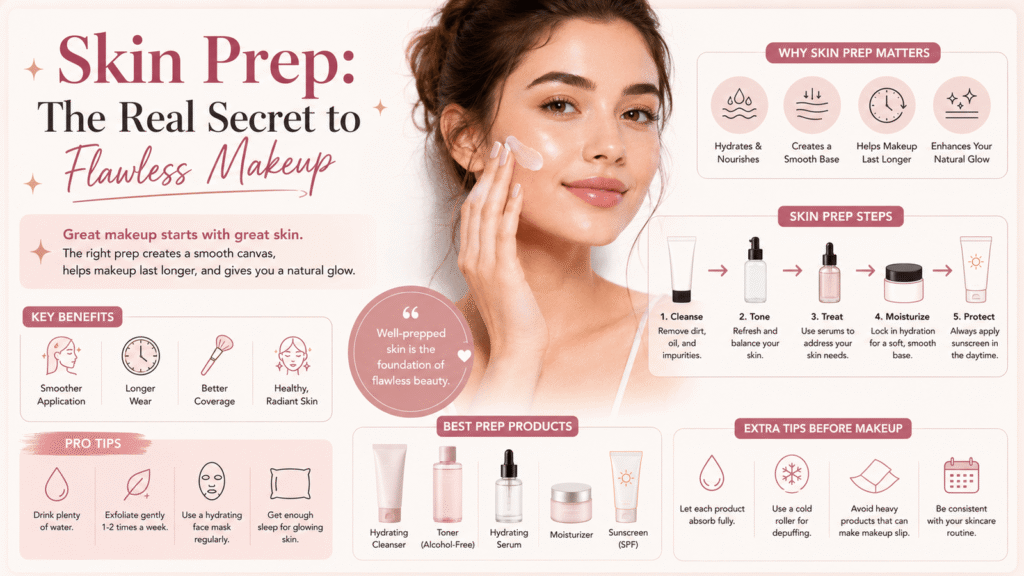
2. Skin Prep: The Real Secret to Flawless Makeup
Cleansing and Hydrating Before Makeup
Never apply makeup on unwashed or under-moisturized skin, even if your skin looks “fine” in the mirror. Start with a gentle, non-foaming cleanser. Harsh, sulfate-heavy cleansers strip natural oils and worsen dryness, which then makes your makeup grip onto flaky patches later in the day. Look for cleansers labeled “hydrating,” “cream,” or “milk,” since these formulas clean without stripping.
After cleansing, apply a hydrating toner or essence if you use one, followed by a rich moisturizer while your skin is still slightly damp. This locking-in technique helps your skin absorb more moisture. Give your moisturizer at least five to ten minutes to fully sink in before starting your makeup. Rushing this step is one of the biggest reasons foundation looks patchy on dry skin.
Did You Know? Dermatologists at the American Academy of Dermatology commonly recommend applying moisturizer within minutes of washing your face, while skin is still damp, to help seal in hydration more effectively.
Quick Tip: If your skin still feels tight after moisturizing, add a facial oil or a hydrating serum with hyaluronic acid underneath your moisturizer. Hyaluronic acid can hold a large amount of water, which makes it a favorite ingredient for people with dry skin.
Exfoliation: The Step Everyone Forgets
Gentle exfoliation, done once or twice a week, removes flaky, dead skin cells that cause makeup to look patchy. You don’t need a harsh scrub. A soft chemical exfoliant with mild acids, or a gentle konjac sponge, works beautifully for dry skin types without causing irritation.
Skipping exfoliation means your foundation has to sit on top of rough, uneven texture, which is a common reason people say their makeup “looks cakey no matter what I use.” Over-exfoliating, on the other hand, can damage your skin barrier further and make dryness worse, so balance is key.
Common Mistake: Exfoliating right before applying makeup on the same day. This can leave skin sensitive and reactive. Try to exfoliate the night before a big makeup day instead, giving your skin time to calm down and rehydrate overnight.
3. Choosing the Right Primer for Dry Skin
Primer is where a lot of dry-skinned beauty lovers go wrong. Many mattifying, pore-blurring primers are designed for oily skin and contain silicones that can grip onto dry patches, making them more visible instead of less. For dry skin, you want a hydrating, dewy, or illuminating primer instead. If you’re unsure whether primer is truly necessary, this guide on primer explains why it makes such a big difference.
Look for primers with ingredients like hyaluronic acid, glycerin, squalane, or ceramides. These ingredients act as humectants, meaning they draw moisture into the skin and help your foundation glide on smoothly. Applying primer is like laying down a soft, moist cushion for your foundation to rest on, instead of a dry, uneven surface.
Expert Advice: Professional makeup artists often recommend applying primer in thin layers and pressing it into the skin with your fingertips rather than rubbing it in with a brush. Finger warmth helps the product melt into the skin for better absorption.
Pro Tip: If you have very dry patches around your nose or cheeks, apply a small amount of extra hydrating balm or primer only on those specific areas before applying an all-over layer. This “spot-priming” technique is a favorite trick among professional makeup artists for uneven dry skin.
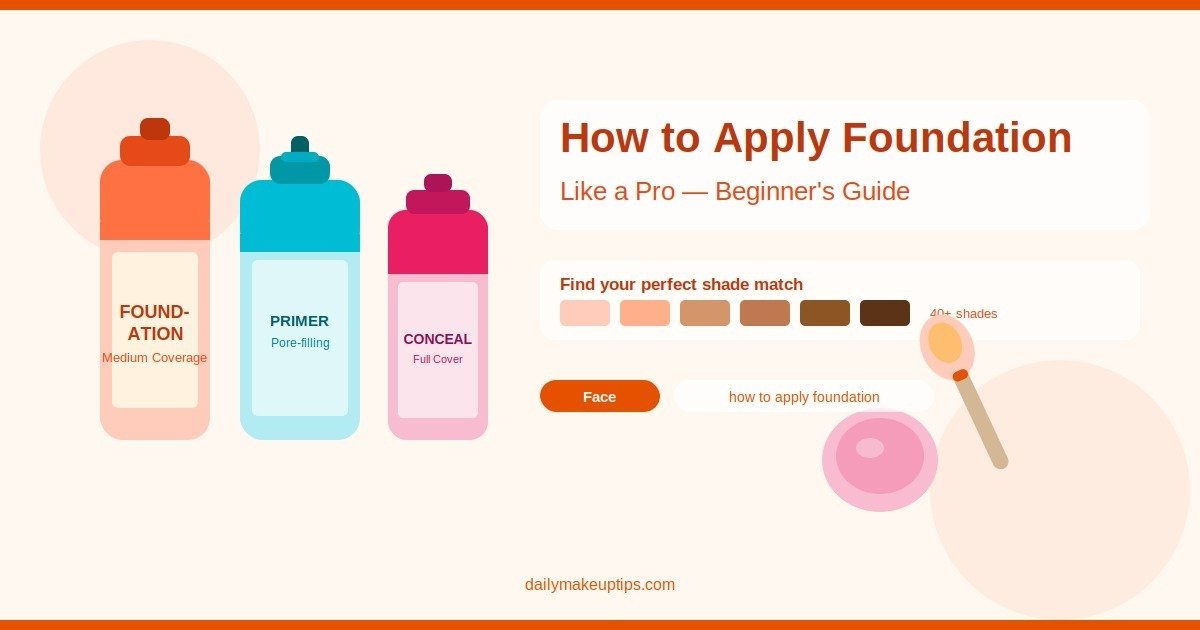
4. Foundation Formulas That Actually Work for Dry Skin
Liquid, Cream, and Powder: Which One Wins?
Not all foundations are created equal, especially for dry skin. Powder foundations, while great for oily skin, tend to cling to dry patches and emphasize texture. Liquid and cream foundations, especially those labeled “dewy,” “luminous,” or “hydrating,” blend more smoothly and reflect light in a way that mimics healthy, glowing skin.
Cream foundations, in particular, are a fantastic option because they usually contain more emollients and oils, which help nourish the skin while providing coverage. If you love a full-coverage look, choose a cream or liquid formula labeled “buildable,” so you can layer coverage without adding excess dryness.
| Foundation Type | Best For Dry Skin? | Finish | Notes |
| Powder Foundation | Not ideal | Matte | Can cling to flaky patches |
| Liquid Foundation (Dewy) | Excellent | Dewy/Natural | Blends smoothly, hydrating |
| Cream Foundation | Excellent | Dewy/Satin | Rich in emollients |
| Matte Liquid Foundation | Use with caution | Matte | Pair with heavy moisturizer first |
| Tinted Moisturizer | Great for light coverage | Natural | Built-in hydration |
Application Techniques That Prevent Cakiness
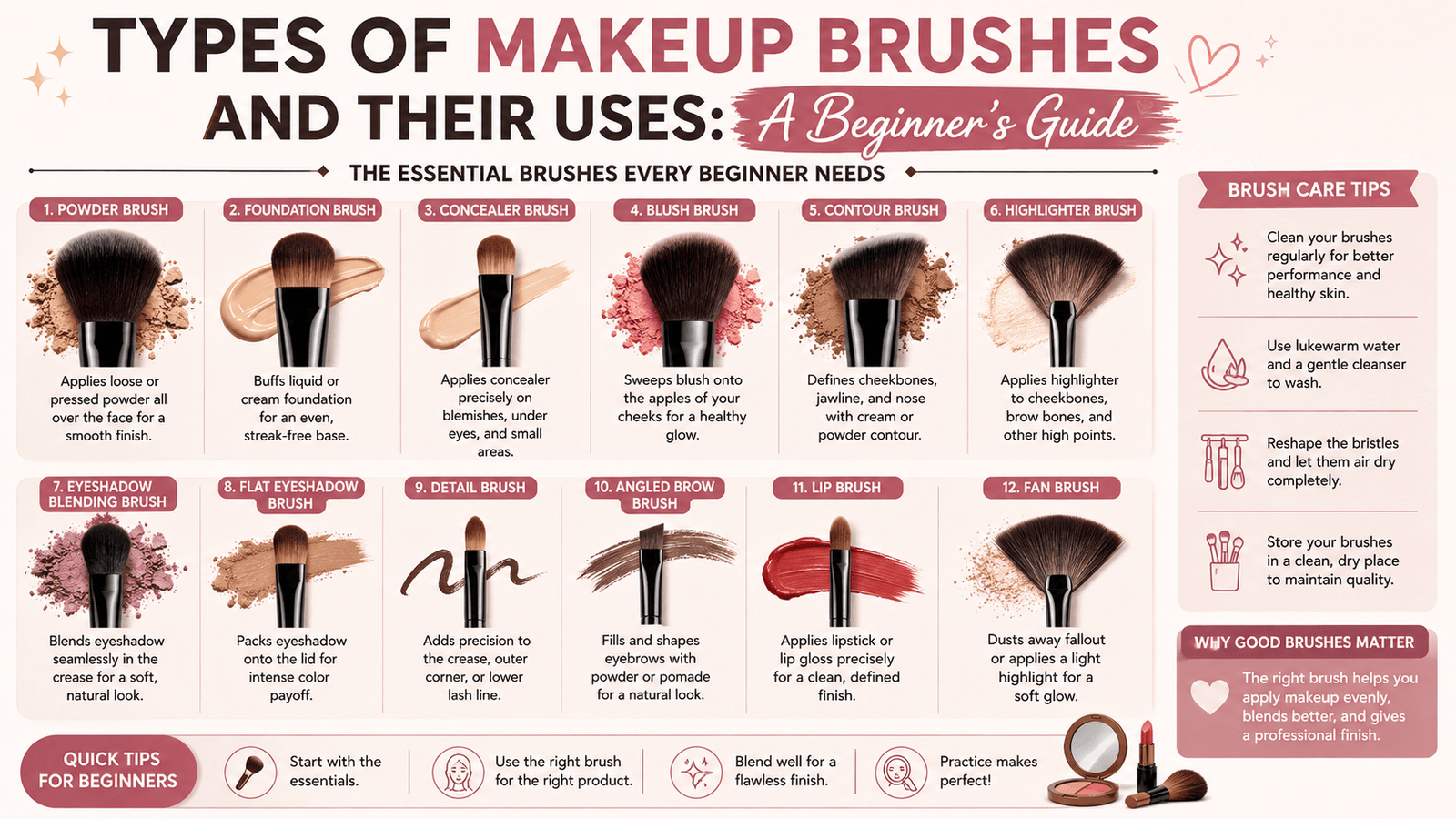
How you apply foundation matters just as much as which one you choose. Use a damp makeup sponge instead of a dry brush whenever possible. A damp sponge picks up less product and presses it into the skin rather than dragging it across dry patches, which reduces streaking and patchiness.
Apply foundation in thin layers, building coverage slowly instead of applying one thick layer. Bouncing or “stippling” the sponge onto the skin, rather than wiping it across, helps the product sit evenly without settling into fine lines or flaky areas.
Reality Check: More foundation does not equal more coverage on dry skin. Thick layers often look worse because they highlight texture rather than hiding it. Thin, buildable layers combined with good skin prep will always look more natural and last longer.
5. Concealer, Blush, and Bronzer Tips
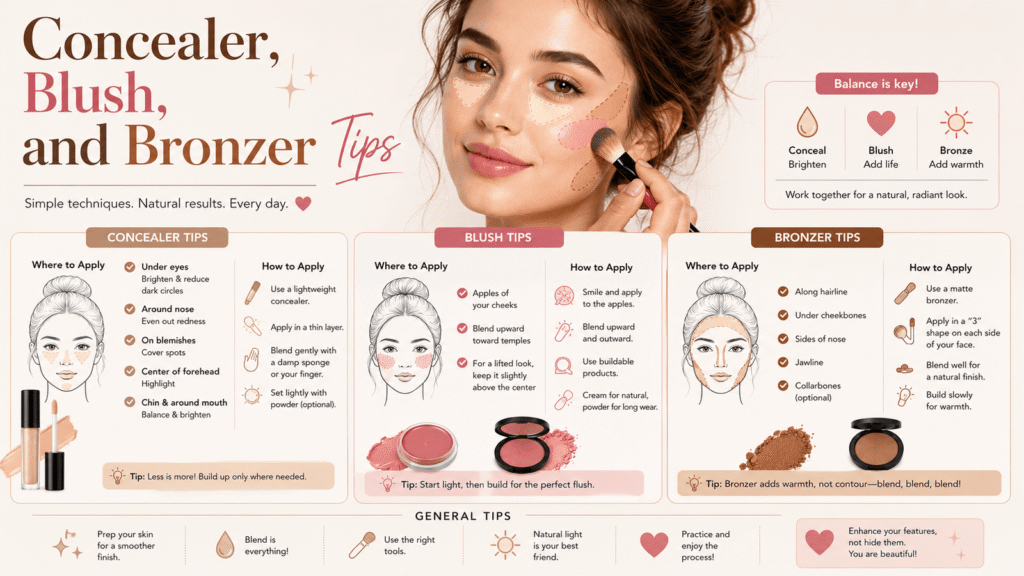
Under-eye concealer is notorious for creasing on dry skin, especially in fine lines. Using the right application technique can help concealer stay smooth and crease-free throughout the day. Choose a hydrating concealer formula and apply it in small dots, then pat it in gently with a fingertip or damp sponge rather than dragging it across the skin. Setting only the areas that truly need it, instead of your entire under-eye area, helps prevent the dreaded “crease line” by midday.
For blush and bronzer, cream and liquid formulas are far more flattering on dry skin than powder versions. Powder blush can look patchy and emphasize dryness on the cheeks, while cream blush blends into the skin for a soft, natural flush that looks like it’s coming from within, rather than sitting on top.
Bonus Trick: Apply cream blush before setting powder (if you use one) rather than after. This allows the cream product to melt into the skin properly, giving a more natural “your skin but better” look rather than a painted-on appearance.
Quick Tip: Warm your bronzer or blush stick slightly between your fingers before applying. This softens the product and makes blending onto dry skin much easier.
6. Eye Makeup Without Creasing
Dry skin around the eyes tends to be thinner and more prone to fine lines, which means eyeshadow can crease or fade faster than on other skin types. Start with a hydrating eye primer rather than a mattifying one, and allow it to set for a minute before applying shadow.
Cream eyeshadows tend to perform beautifully on dry eyelids because they blend into the skin rather than sitting on top of dry texture You can also learn simple tricks to make your eyes appear naturally bigger while keeping eye makeup soft and fresh. like some powder shadows can. If you prefer powder shadows, apply them with a fluffy brush using light, patting motions instead of heavy rubbing, which can cause flaking.
Common Mistake: Using a heavy, mattifying setting powder directly on the eyelid. This often makes creasing worse on dry skin. Instead, use a very light dusting of translucent powder only if needed, and only on the outer corners.
Pro Tip: For mascara, look for “hydrating” or “conditioning” formulas, since dry lashes can become brittle and prone to breaking. A lash serum used consistently can also improve the overall look of your lashes over time.
7. Lip Makeup for Soft, Non-Chapped Lips
Chapped, flaky lips and lipstick are a frustrating combination. The trick isn’t avoiding lipstick altogether. It’s prepping your lips properly first. Start by gently exfoliating your lips once or twice a week using a soft lip scrub or a damp washcloth in circular motions.
Follow up with a nourishing lip balm at least ten minutes before applying any lip color, giving it time to absorb. Choose lipstick formulas labeled “hydrating,” “moisturizing,” or “satin” rather than long-wear matte formulas, which tend to dry out lips further, especially on already-dry skin types.
| Lip Product Type | Best For Dry Lips? | Notes |
| Long-Wear Matte Lipstick | Avoid | Very drying |
| Satin or Cream Lipstick | Great | Balanced hydration and color |
| Tinted Lip Balm | Excellent | Best for everyday wear |
| Lip Gloss | Great | Adds shine and moisture |
| Lip Stain | Use with caution | Can dry lips; pair with balm |
Expert Advice: If you love the look of a matte lip, apply your favorite matte lipstick over a thin layer of lip balm instead of directly on bare lips. This gives you the matte color payoff without sacrificing comfort.
8. Setting Your Makeup Without Losing Glow
Setting powder is often seen as a villain for dry skin, but the truth is more nuanced. The problem isn’t setting powder itself, it’s using too much of it, or the wrong type. A finely milled, hydrating setting powder, applied only where you need extra hold (like the T-zone or under the eyes), can help your makeup last without stealing your glow.
Instead of pressing powder all over your face with a heavy puff, use a small, fluffy brush and apply it lightly, only where oil tends to build up throughout the day. For the rest of your face, skip powder altogether and rely on a hydrating setting spray instead, which locks makeup in place while adding a final layer of moisture.
Quick Tip: Mist your setting spray from about 8 to 10 inches away in an X and T motion across your face. This ensures even coverage without soaking any one area too much.
Did You Know? Setting sprays formulated with glycerin or aloe vera can actually refresh makeup throughout the day. Keep one in your bag and give your face a light mist mid-afternoon to revive your glow without disturbing your makeup underneath.
9. Common Mistakes People With Dry Skin Make
Even beauty lovers who have been wearing makeup for years fall into certain traps when they have dry skin. Recognizing these mistakes is often the fastest way to see immediate improvement in how your makeup looks and lasts.
| Mistake | Why It’s a Problem | Better Solution |
| Skipping moisturizer before makeup | Foundation clings to dry patches | Moisturize and wait 5-10 minutes |
| Using mattifying primer | Emphasizes dryness and flaking | Use a hydrating, dewy primer |
| Applying foundation with a dry brush | Drags product, causes streaks | Use a damp makeup sponge |
| Over-powdering the whole face | Removes glow, looks cakey | Powder only the T-zone lightly |
| Choosing matte, long-wear lipstick daily | Dries out lips further | Choose satin or hydrating formulas |
| Exfoliating right before makeup | Causes sensitivity and redness | Exfoliate the night before instead |
Common Mistake: Believing that dry skin means you should avoid all oil-based products. In reality, the right oils and emollients are often exactly what dry skin needs to look smooth and radiant.
Reality Check: A full face of heavy, full-coverage foundation is rarely the answer for dry skin. If your base makeup still looks uneven, these tips explain why foundation can appear patchy and how to fix it. Building light layers with proper prep almost always looks more natural and lasts longer than one thick application.
10. Seasonal Makeup Tips: Summer vs Winter
Dry skin doesn’t behave the same way all year round, and your makeup routine should adjust with the seasons. Winter air is typically drier, both outdoors and indoors due to heating, which can intensify flakiness and tightness. During colder months, layer a richer moisturizer, consider a hydrating facial oil, and lean into dewy, cream-based products across your entire face.
Summer weather often brings a bit more humidity, which can be a small relief for dry skin, but sun exposure and air conditioning can still dehydrate your skin. During warmer months, a lightweight hydrating moisturizer with SPF, paired with a dewy tinted moisturizer or lightweight foundation, tends to work best. Regardless of season, sunscreen should never be skipped, since sun damage can worsen dryness and premature aging over time.
Pro Tip: Keep two versions of your routine on hand, a richer one for winter and a lighter one for summer, so you’re never caught applying a heavy winter cream on a hot, humid day.
Expert Advice: Skin experts often note that switching to gentler, more hydrating cleansers during colder months can prevent the “tight, stripped” feeling that makes makeup application so much harder in winter.
11. Budget vs Luxury Product Guide
You do not need to spend a fortune to get great results for dry skin. Many affordable drugstore brands now offer hydrating primers, dewy foundations, and cream blushes If you’re dealing with occasional breakouts as well, here’s how to blemishes naturally without making dry skin look cakey. specifically formulated with ingredients like hyaluronic acid and glycerin. The key is reading the label for hydrating ingredients rather than the price tag on the box.
That said, if you’re willing to invest a bit more, luxury brands often provide beautifully blendable formulas, richer pigment payoff, and skin-loving ingredients like ceramides and peptides that can elevate your routine further. Neither option is “wrong,” and many professional makeup artists mix budget and luxury products together in the same routine, depending on what works best for each step.
Quick Tip: Splurge on products that stay on your skin the longest, like foundation and setting spray, and save on products that get used up quickly or are less impactful long-term, like makeup remover or cotton pads.
Bonus Trick: Multi-use products, like a cream stick that works as both blush and lip color, are a great budget-friendly way to simplify your routine while still achieving a dewy, cohesive look.
12. Expert and Dermatologist Recommendations
Skincare experts and dermatologists consistently emphasize one central idea for dry skin: hydration is not optional, it’s the foundation of everything else. Organizations like the American Academy of Dermatology and the Mayo Clinic commonly recommend using fragrance-free, gentle products and applying moisturizer immediately after cleansing to help maintain the skin’s natural barrier.
Many dermatologists also point out that ingredients like ceramides help restore and protect the skin barrier over time, while hyaluronic acid and glycerin work as humectants that pull moisture into the skin. Choosing makeup and skincare products that support this barrier, rather than strip it, leads to better results both for your skin’s health and how your makeup looks and wears throughout the day.
Expert Advice: If your dry skin is severe, persistent, or accompanied by redness, itching, or peeling that doesn’t improve with basic skincare adjustments, it’s worth speaking with a board-certified dermatologist. Some cases of extreme dryness may be linked to underlying skin conditions that benefit from professional guidance rather than makeup adjustments alone.
13. Sample Morning and Night Routine
| Step | Morning Routine | Night Routine |
| 1 | Gentle cleanser | Makeup remover / cleansing balm |
| 2 | Hydrating toner | Gentle cleanser |
| 3 | Hyaluronic acid serum | Hydrating toner or essence |
| 4 | Rich moisturizer | Facial oil or night cream |
| 5 | SPF moisturizer | Overnight lip mask (if needed) |
| 6 | Hydrating primer | — |
| 7 | Foundation / tinted moisturizer | — |
| 8 | Cream blush and concealer | — |
| 9 | Light setting powder (T-zone only) | — |
| 10 | Hydrating setting spray | — |
Pro Tip: Keep your night routine simple and focused on repair. Overloading your skin with too many active ingredients at night can sometimes worsen dryness rather than help it.
14. Buying Guide: What to Look for on the Label
When shopping for makeup as someone with dry skin, the label is your best friend. Look for words like “hydrating,” “dewy,” “luminous,” “moisturizing,” and “cream” If your skin changes with the seasons and becomes oilier at times, this routine can help you adjust your makeup accordingly. rather than “matte,” “oil-free,” or “long-wear,” which are typically formulated for oily skin types. Checking the ingredient list for hyaluronic acid, glycerin, squalane, and ceramides is one of the most reliable ways to find products that will genuinely help your skin.
It also helps to patch-test new products on your inner arm or jawline for a day or two before applying them all over your face, especially if you have sensitive, dry skin. This simple habit can save you from breakouts or irritation from products that don’t agree with your skin, even if they’re marketed as “hydrating.”
Checklist: What to Look For
- Hydrating or dewy finish foundation
- Primer with hyaluronic acid or glycerin
- Cream-based blush and bronzer
- Satin or hydrating lipstick formulas
- Fragrance-free options if your skin is sensitive
- Setting spray instead of heavy setting powder
16. Final Thoughts
Makeup for dry skin doesn’t have to feel like a losing battle against flakiness, patchiness, and discomfort. Once you understand that hydration comes first, and that your product formulas and application techniques matter just as much as the products themselves, everything starts to click into place.
Remember to prep generously, choose dewy and cream-based formulas over matte ones, apply in thin layers, and set your makeup with a light hand. Small changes, like switching from a mattifying primer to a hydrating one, or using a damp sponge instead of a dry brush, can completely transform how your makeup looks and lasts.
Most importantly, be patient with your skin. Building a routine that genuinely nourishes your skin barrier takes a little time, but the payoff is a soft, glowing, healthy-looking complexion that makeup can enhance rather than fight against. Here’s to smoother mornings, longer-lasting makeup, and a glow that truly comes from within. You’ve got this.
Frequently Asked Questions
1. What is the best foundation for dry skin?
Use a hydrating, dewy, or luminous liquid foundation with ingredients like hyaluronic acid or glycerin. Apply with a damp sponge for a smooth finish.
2. Should I use primer if I have dry skin?
Yes, choose a hydrating or illuminating primer. Avoid matte primers, as they can highlight dry patches.
3. Why does my makeup look patchy on dry skin?
Patchiness happens due to dry skin, poor prep, or heavy formulas. Moisturize well and use lightweight, buildable makeup.
4. Is powder bad for dry skin?
Not always, but avoid heavy powder. Use a small amount only on oily areas like the T-zone.
5. How can I stop my concealer from creasing under my eyes?
Apply eye cream first, use a lightweight concealer, and set lightly with translucent powder.